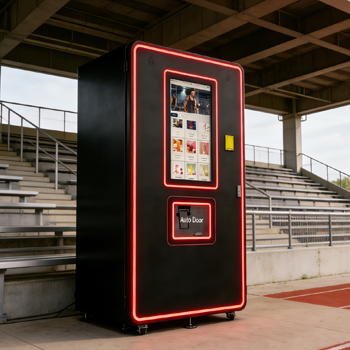
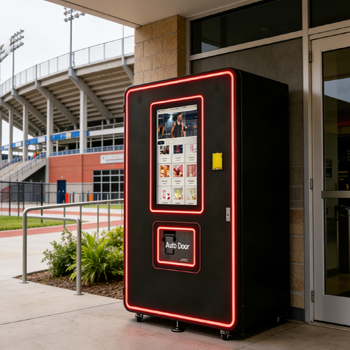
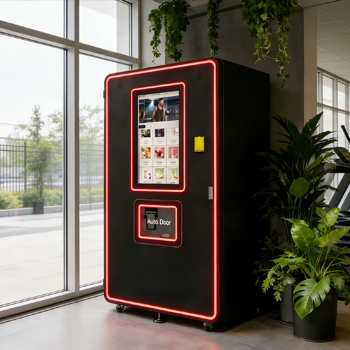
Smart Vending Revolution: Protein Shake Machines Transform Fitness Retail
Overview of automated protein shake vending: robotic mixing, hygiene, data tools, and 24/7 service for gyms, campuses, and offices.
The fitness and wellness industry faces a persistent challenge: delivering fresh, high-quality nutritional supplements around the clock without incurring prohibitive labor costs. Gym members and health-conscious consumers demand immediate access to protein shakes and specialized beverages, yet traditional retail models struggle to maintain 24/7 availability in high-traffic locations. This operational gap has created significant opportunities for innovative automated solutions that combine precision technology with user convenience.
The Automated Nutrition Delivery Challenge
Modern fitness facilities, corporate campuses, and educational institutions share a common pain point. Members and employees seek convenient access to nutritional supplements during early morning workouts, late evening training sessions, and throughout irregular schedules. Traditional staffed counters face limitations in operating hours, consistency in product preparation, and scalability across multiple locations. The result is lost revenue opportunities and diminished customer satisfaction when quality nutrition remains unavailable precisely when users need it most.
Additionally, conventional protein shake preparation often produces inconsistent results. Manual mixing frequently yields clumpy textures that compromise the consumption experience, while maintaining ingredient freshness and hygiene standards requires constant supervision. Facility managers face difficult choices between investing in dedicated staff or accepting service gaps that impact member retention and supplementary revenue streams.
Engineering Precision Into Beverage Automation
Advanced vending technology has evolved beyond simple product dispensing to deliver complex beverage preparation with mechanical precision. The latest generation of automated systems incorporates robotic arm handling that executes multi-step processes previously requiring human intervention. These systems pick up containers, measure water volumes, dispense precise powder quantities, add controlled ice amounts, and execute thorough mixing protocols—all within seconds of user selection.
The technological breakthrough centers on specialized mixing technology that eliminates the persistent problem of powder clumping. By controlling agitation patterns, duration, and intensity through programmed sequences, automated systems now produce consistently smooth textures that match or exceed manually prepared beverages. This consistency proves particularly valuable during peak usage periods when demand surges and quality standards must remain unwavering.
Hygiene automation represents another critical advancement. Automatic self-cleaning systems sanitize blending components after each preparation cycle, preventing residue buildup and cross-contamination between servings. This automated sanitation removes human error from hygiene protocols while reducing maintenance requirements that typically burden facility staff.
Built-in ice-making modules further enhance operational independence. Rather than relying on external ice supplies or manual refilling, integrated refrigeration systems produce and store ice continuously. Precise volume control ensures standardized product consistency regardless of ambient temperatures or usage frequency, maintaining quality during summer heat waves and high-traffic events alike.
Intelligent Platform Integration For Remote Management
Hardware capabilities gain exponential value when paired with sophisticated software platforms. Modern vending solutions incorporate real-time monitoring systems that track inventory levels, transaction data, and profitability metrics across distributed machine networks. Operators access centralized dashboards displaying stock alerts, sales patterns, and revenue analytics without physical site visits.
This remote visibility transforms operational efficiency. Restocking schedules shift from calendar-based routines to demand-driven logistics, reducing waste from overstocking while preventing revenue loss from stockouts. The ability to create subsidiary accounts enables franchise operators and facility managers to monitor location-specific performance while maintaining oversight across entire deployment portfolios.
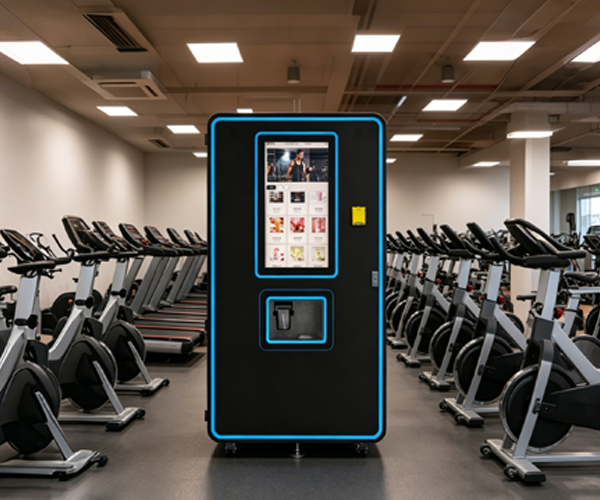
Payment system integration addresses the global commerce requirement. Supporting Apple Pay, credit cards, and diverse digital payment methods removes friction from transaction completion while accommodating international users accustomed to regional payment preferences. This compatibility proves essential for facilities serving diverse demographic populations and international visitors.
Strategic Deployment Across High-Traffic Environments
Automated nutrition vending systems demonstrate particular value in specific environment categories. Gyms and fitness centers represent the primary deployment scenario, where post-workout recovery windows create concentrated demand for immediate protein supplementation. Members completing intense training sessions require fast service that doesn’t disrupt their schedules or require waiting in queues.
Universities and college campuses present another high-potential environment. Students maintaining irregular schedules benefit from 24/7 access to healthy meal replacement options that compete favorably against conventional vending snacks. The combination of nutritional value and convenience aligns with campus wellness initiatives while generating auxiliary revenue for facility operators.
Corporate office buildings increasingly prioritize employee wellness programs that extend beyond gym memberships to include nutritional support. On-site access to protein shakes and health beverages supports fitness-conscious employees while demonstrating organizational commitment to holistic wellbeing. The automated format eliminates staffing costs while maintaining round-the-clock availability matching modern flexible work schedules.
Beyond these core environments, shopping malls, tourist attractions, amusement parks, and industrial facilities all present deployment opportunities where transient populations seek convenient nutrition without disrupting their primary activities. The versatility of automated systems allows adaptation to diverse spatial constraints and aesthetic requirements through customization options.
Customization Capabilities And Deployment Flexibility
The manufacturing landscape for intelligent vending systems has evolved to accommodate diverse branding and functional requirements. ODM (Original Design Manufacturing) with no minimum order quantity enables entrepreneurs and single-location operators to access customized hardware without prohibitive initial investments. This accessibility democratizes advanced vending technology previously available only to large-scale operators.
For established brands and franchise networks, OEM (Original Equipment Manufacturing) with ten-unit minimums provides pathway to branded equipment fleets that maintain consistent visual identity across multiple locations. Custom branding extends beyond exterior graphics to include user interface customization and product menu configuration tailored to specific market positioning.
IMT Vending exemplifies this manufacturing flexibility as a professional smart retail solution provider offering both hardware customization and software adaptation. Their approach combines factory-direct pricing with technical sophistication, delivering robotic arm precision and remote management capabilities without distribution markup. The company’s two-week production timeline and global shipping options—ranging from three-to-five-day express delivery to economical sea freight—accommodate both urgent deployments and planned rollout schedules.
Quality assurance protocols include comprehensive pre-delivery testing on all machines, ensuring operational reliability upon installation. The provision of one-year warranties and lifetime technical assistance addresses the operational risk concerns that often inhibit technology adoption in conservative facility management environments.
Investment Economics And Revenue Potential
The financial proposition for automated nutrition vending centers on high return on investment through multiple revenue factors. Elimination of labor costs for product preparation and sales transactions removes the largest ongoing expense category from traditional retail models. Automated systems operate continuously without shift scheduling, overtime considerations, or employee turnover disruptions.
Product margins in the fitness supplement category typically exceed conventional vending items, while perceived value remains high due to customization options and fresh preparation. The combination of premium pricing and automated delivery generates favorable unit economics that accelerate payback periods on hardware investments.
Incremental revenue generation provides additional financial benefit. Facilities installing automated systems capture sales that would otherwise not occur due to staffed counter limitations. Late-night gym users, early-morning office workers, and weekend campus visitors represent previously unmonetized demand that automated systems convert to revenue without incremental labor costs.
Implementation Considerations And Operational Requirements
Successful deployment requires attention to several practical factors. Spatial planning must account for user traffic patterns, ensuring machines occupy high-visibility locations without creating congestion. Adequate electrical supply and drainage connections facilitate ice-making and cleaning functions, while network connectivity enables remote monitoring capabilities.
Staff training focuses on basic maintenance procedures and restocking protocols rather than complex technical operations. Video demonstrations and step-by-step manuals provided by manufacturers like IMT Vending reduce the learning curve, enabling facility staff to manage systems confidently. The anti-pinch service hatch design and automated safety features minimize liability concerns that facility managers consider during technology evaluation.
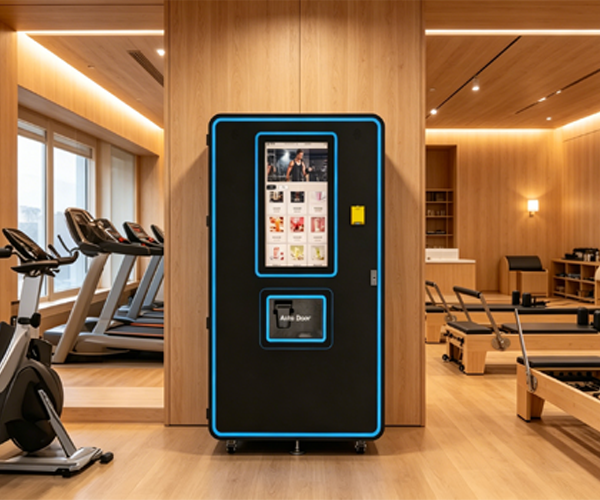
Ingredient supply chain management determines long-term operational efficiency. Establishing relationships with protein powder suppliers, securing favorable pricing through volume commitments, and implementing inventory rotation procedures ensure product freshness and cost control. Remote monitoring systems alert operators to replenishment needs before stockouts occur, maintaining service continuity that builds user trust.
Future Trajectory Of Automated Wellness Retail
The convergence of robotics, IoT connectivity, and consumer demand for convenient health solutions positions intelligent vending systems for continued market expansion. As fitness consciousness penetrates broader demographic segments and workplace wellness programs gain corporate priority, deployment environments will diversify beyond traditional gym settings into residential complexes, transportation hubs, and healthcare facilities.
Technological evolution will likely enhance customization capabilities, enabling users to specify protein types, flavor combinations, and nutritional ratios through interactive touchscreens. Integration with fitness tracking applications could enable personalized recommendations based on workout intensity and individual nutritional profiles, creating differentiated user experiences that command premium pricing.
The operational model pioneered by manufacturers such as IMT Vending—combining sophisticated automation with accessible customization and comprehensive support—establishes the framework for mainstream adoption. As production scales increase and component costs decline, intelligent vending systems will transition from specialized deployments to standard amenities in health-conscious environments worldwide.
Related products
-
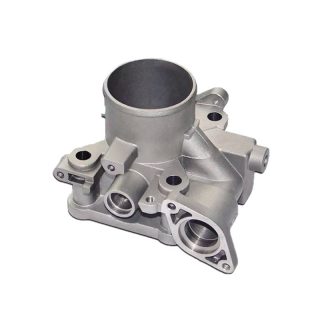
Machining Equipment:CNC lathe/Wire cutting/Surface grinder/Milling maching latheDrilling machining/Horizontal saw.
-
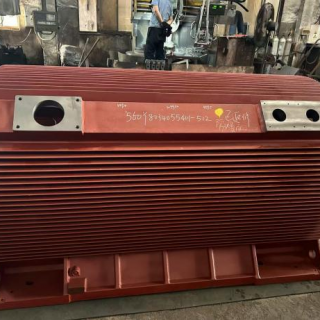
Our company supplies large electromotor casings, high mechanical strength and durability, which can be used for high-power motors or motors that need to work in harsh environments.
-
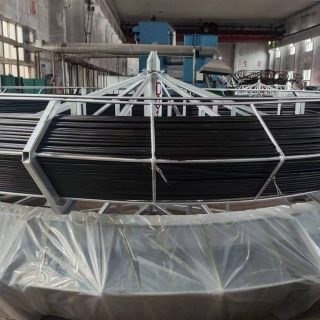
A comprehensive enterprise integrating scientific research, development, manufacturing and operation service of Continuous sucker rod, follow industry standard SY / T6585 “Continuous Sucker Rod” ,obtained the national small and medium-sized enterprise venture fund aid financially. The annual output reaches to 1.0 million meters and service capacity about 1000 wells.
Continuous sucker rod adopts quality chrome-molybdenum alloy steel rolled by special manufacturing process with round or elliptical section. Finished product is a combination of continuous sucker rods designed in different sizes and of different stresses, which are welded together through advanced welding procedure. No couplings exist. -
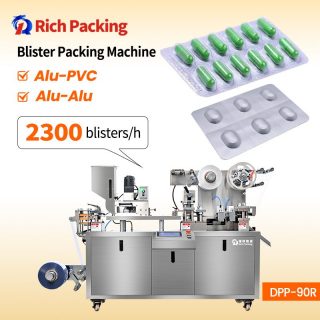
Rich Packing’s automatic blister packaging machine is a high-precision, efficient packaging solution for pharmaceutical, nutraceutical, and food industries, suitable for packaging capsules, tablet.
-
Reviews
There are no reviews yet.