How to Improve Pigment Wetting in UV Inks: Choosing the Right UV Ink Resin
Lencolo L-6121 UV polyester resin and L-6211 UV polyurethane acrylate offer good pigment wettability for UV inks, supporting pigment dispersion, viscosity control, etc.
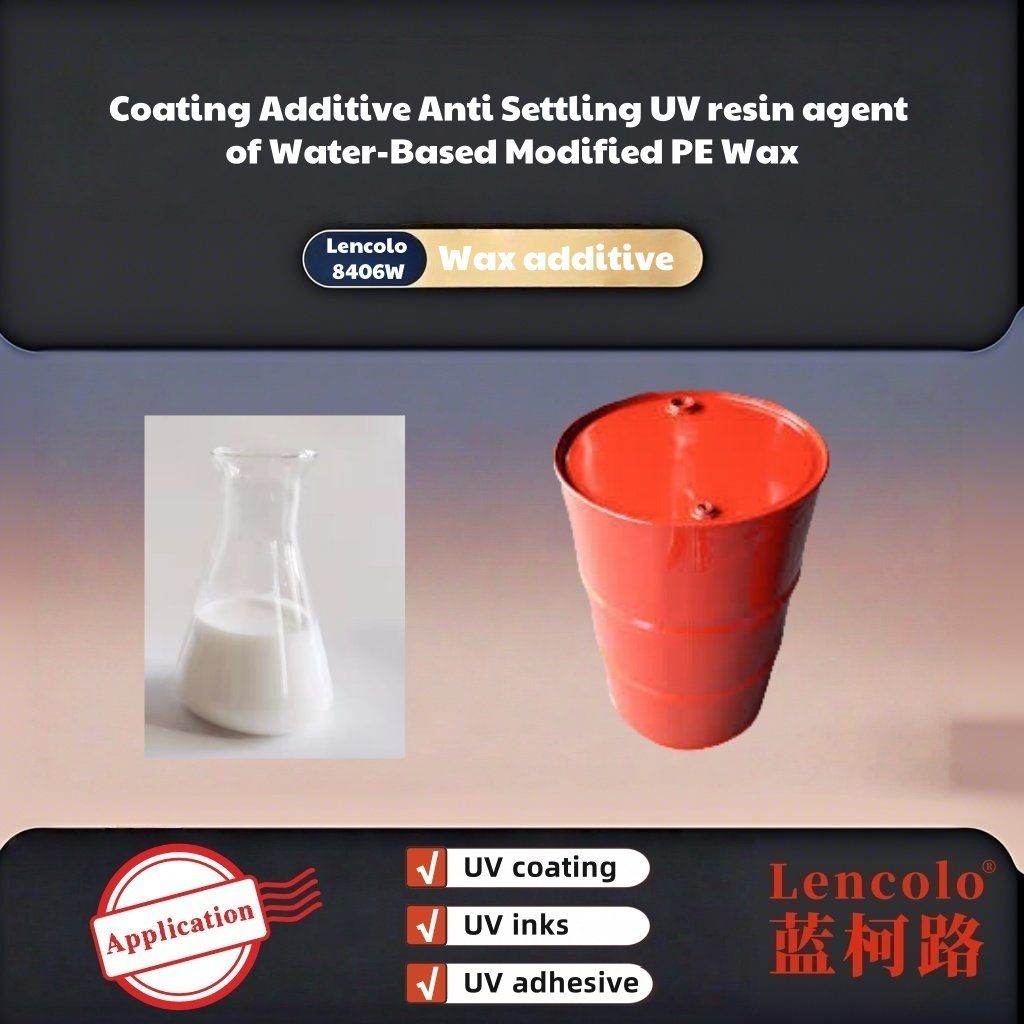
Pigment wetting is an important factor in developing stable, high-performance UV inks. In UV inkjet, screen printing, flexographic, and offset printing, inadequate pigment wetting can contribute to uneven color development, poor dispersion stability, reduced print quality, and formulation difficulties. Selecting a suitable UV ink resin helps formulators balance pigment compatibility with viscosity, curing speed, adhesion, and cured-film flexibility.
Guangdong Lencolo New Material Co., Ltd., operating under the Lencolo brand, supplies UV-curable resins and related materials for printing inks and other industrial applications. Within its UV Inkjet & UV Inks product range, L-6121 and L-6211 are two resin options specifically associated with good pigment wettability.
1. Why Resin Selection Matters for Pigment Wetting
Pigment dispersion involves several related stages, including wetting the pigment surface, breaking down agglomerates, and maintaining a stable distribution throughout the ink. A resin with suitable pigment wettability can support the initial wetting process, but overall dispersion performance also depends on pigment chemistry, dispersing agents, mixing conditions, viscosity, and formulation compatibility.
For UV inkjet inks, viscosity is particularly important because the ink must meet the requirements of the printhead while maintaining reliable jetting. Screen, flexographic, and offset inks have different rheological and film-performance requirements. Therefore, the best resin choice depends on both the pigment system and the intended printing process.
2. L-6121 and L-6211: Two UV Resins for Pigment Wetting
Lencolo L-6121 — Low-Viscosity UV Polyester Resin
L-6121 is a low-viscosity UV polyester resin characterized by good pigment wettability. It can be evaluated in UV ink formulations where pigment wetting and viscosity control are important considerations. Its polyester chemistry offers formulators an alternative to polyurethane-based resin systems when screening materials for specific pigment, monomer, and substrate combinations.
Potential applications include UV ink formulations that require an appropriate balance of flow behavior and pigment distribution. Final suitability should be established through compatibility and printing tests.
Lencolo L-6211 — Low-Viscosity Difunctional UV Polyurethane Acrylate
L-6211 is a low-viscosity, difunctional UV polyurethane acrylate with good pigment wettability. Its listed viscosity is 120–280 cP. In addition to pigment wetting, its polyurethane acrylate chemistry is relevant when flexibility, toughness, and cured-film performance are important formulation targets.
Compared with L-6121, L-6211 provides a different resin chemistry for formulators to evaluate. The choice between the two should consider pigment compatibility, target viscosity, substrate adhesion, curing conditions, and the required balance of flexibility and hardness.
3. Complementary UV Resins for Ink Performance
Pigment wetting is only one part of UV ink development. Lencolo offers additional resin grades that may be evaluated when other performance requirements become important.
-
L-6105: A low-viscosity UV resin associated with high elasticity, for formulations where flexibility is a key requirement.
-
L-6111: A low-viscosity UV epoxy acrylate associated with fast curing, for applications requiring rapid film formation.
-
L-8400A and L-8400B: UV resin options for glass and hardware applications where adhesion is a key consideration.
-
L-6030 and L-6040: UV pure acrylic resins used in UV ink applications where adhesion performance is relevant.
-
L-8412A: A UV polyurethane resin for PET applications, characterized by high flexibility.
These materials address different formulation needs rather than serving as interchangeable pigment dispersants. Their suitability for a specific ink depends on the complete formulation and should be confirmed through testing.
4. How to Evaluate a UV Ink Resin for Pigment Dispersion
A practical evaluation should begin with the pigment type, substrate, printing method, and target ink viscosity. Formulators can then compare candidate resins using a consistent test procedure.
First, assess pigment wetting and dispersion behavior during mixing. Check for visible agglomerates, color development, and changes in viscosity. Next, evaluate storage stability and compatibility with the selected monomers, photoinitiators, and additives. Finally, conduct application trials to assess jetting or printability, curing response, adhesion, and cured-film properties.
If a dispersing agent is required, its compatibility with the resin and pigment should also be assessed. Good resin wettability can support dispersion development, but it does not eliminate the need to optimize the overall dispersion system.
5. UV Ink Resin Selection Support from Lencolo
Guangdong Lencolo New Material Co., Ltd. supplies UV resins and related formulation materials for ink, coating, adhesive, and other UV-curable applications. Its product range allows formulators to compare resin chemistries according to viscosity, pigment wettability, flexibility, curing behavior, and substrate requirements.
For projects involving pigment dispersion problems in UV inks, useful information for preliminary product screening includes the pigment type, printing process, target viscosity, substrate, and current formulation. These details help narrow the candidate materials and establish relevant testing priorities.
For formulators seeking a UV ink resin with good pigment wettability, Lencolo L-6121 and L-6211 are two starting points for evaluation. Comparing their performance within the intended formulation can help identify a suitable balance of pigment wetting, processability, adhesion, curing, and final film properties.
Related products
-
-
$700.00
Erat velit scelerisque in dictum non consectetur a. Faucibus in ornare quam viverra orci sagittis eu. Amet justo donec enim diam vulputate ut. Sit amet nulla facilisi morbi. Purus ut faucibus pulvinar elementum integer enim neque volutpat. Tincidunt ornare massa eget egestas purus viverra accumsan.
-
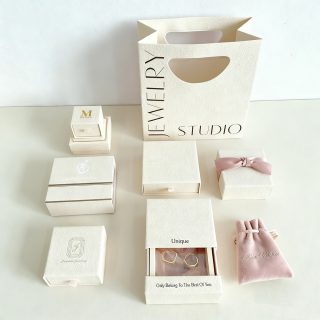
A beautiful paper jewelry gift box not only makes your jewelry products more appealing but also enhances brand value and customer loyalty.
-
Matte PETG Resin is a glycol-modified polyethylene terephthalate designed to produce low-gloss / matte finish films and sheets for shrink sleeves, labels, thermoforming and 3D printing applications.
-
Compared with ordinary PET, it has excellent high temperature resistance, and its thermal deformation can reach 80-85 degrees. It is widely used in high temperature environments.
Reviews
There are no reviews yet.