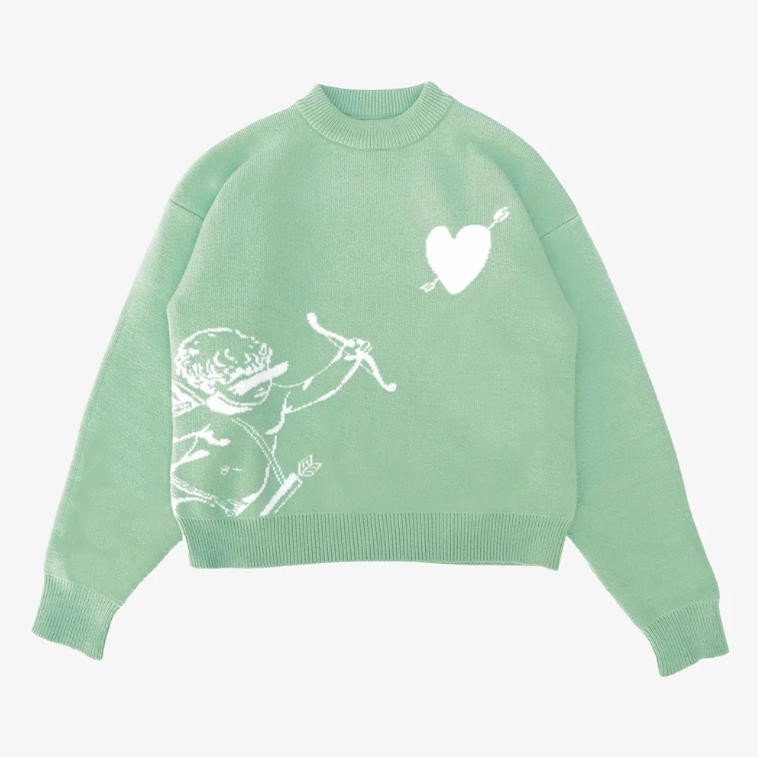
What Clothing Brands Often Overlook When Developing Custom Sweaters
A sweater can look perfectly balanced in a design sketch and feel completely different once it is made. The shoulders may sit lower than expected. The cuffs might pull too tightly against the sleeves
A sweater can look perfectly balanced in a design sketch and feel completely different once it is made. The shoulders may sit lower than expected. The cuffs might pull too tightly against the sleeves. A fabric that looked soft and fluid in a small sample may feel surprisingly heavy when knitted into a full garment.
These are familiar challenges in custom sweater development, particularly for clothing brands moving from an initial concept to their first production order.
Unlike basic printed apparel, sweaters depend heavily on the relationship between yarn, knitting structure, garment measurements, and finishing. Changing one element can affect several others. A different yarn, for instance, may alter the fabric's stretch and make an otherwise unchanged pattern fit differently.
For brands planning private-label knitwear, understanding these details can make the development process more predictable. It also helps buyers ask better questions when comparing manufacturing partners.
A Good Sweater Starts With a Clear Product Brief
One of the most common mistakes in sweater sourcing is approaching a supplier with a reference photograph and very little additional information.
A photograph may communicate the desired style, but it rarely explains how the garment should be constructed.
Consider a relaxed crew-neck sweater. The image might show a dropped shoulder, slightly cropped body, and substantial ribbed neckline. Yet the manufacturer still needs to know how much room is required across the chest, how the sleeves should hang, and whether the finished fabric should feel firm or flexible.
Without this information, two suppliers may produce very different samples from the same reference.
A useful development brief should establish the garment's intended market, fit, material preferences, size range, color requirements, and branding details.
It is equally important to identify the features that cannot be changed.
For example, a brand may be flexible about minor variations in fabric texture but insist on a particular body length and shoulder silhouette. Making these priorities clear allows the development team to focus on what matters most.
Yarn Selection Is About More Than Fiber Content
Cotton, wool, acrylic, polyester, and blended yarns can all be used in sweater manufacturing, but the fiber label tells only part of the story.
Two cotton sweaters may feel different because their yarns have different sizes, twists, and constructions. A blended yarn may improve certain characteristics while introducing changes in surface texture or maintenance requirements.
Buyers should therefore avoid selecting materials solely from a composition list.
The intended garment provides a better starting point.
A lightweight sweater designed for autumn layering may need a fabric that feels comfortable beneath a jacket. A winter pullover may require a more insulating construction. A relaxed fashion sweater might prioritize drape, while a structured design needs better control over the finished silhouette.
There is no single yarn that suits every design.
Physical yarn swatches are particularly useful during development because they reveal differences that are difficult to assess from photographs. The fabric should be evaluated for hand feel, thickness, stretch, appearance, and behavior after appropriate washing or finishing.
Small Changes in Fit Can Make a Big Difference
Sweater fit is not determined by chest width alone.
Shoulder placement, armhole depth, sleeve length, body length, and ribbing all contribute to the finished appearance.
A relaxed sweater with narrow sleeves may look unbalanced. A cropped design with an excessively tight hem can gather around the waist. A wide neckline may appear attractive when the sweater is laid flat but sit differently when worn.
Knitted fabrics also respond to gravity and movement.
A garment that meets its measurements on a table may hang differently on the body, especially when the yarn is heavy or the construction is highly extensible.
For that reason, brands should review physical fitting samples rather than approving production from measurement charts alone.
Fit comments should also be specific. Instead of asking a supplier to make a sweater "more oversized," identify whether the adjustment concerns shoulder width, body ease, sleeve volume, or length.
Clear feedback usually leads to fewer unnecessary sample revisions.
Custom Details Should Support the Design
Private-label sweaters offer plenty of opportunities for customization, but not every detail adds value.
A distinctive neckline, carefully designed cuff, textured knitted panel, or contrasting trim can make a basic sweater recognizable without overwhelming the garment.
The challenge is maintaining consistency between design and construction.
For example, a thick ribbed collar requires suitable stretch recovery. Decorative stitching must be compatible with the surrounding fabric. A custom label should be positioned where it does not interfere with comfort.
Button-front sweaters introduce further considerations, including fastening security, placket stability, and front-panel alignment.
These details may appear minor in a technical drawing, but they become more noticeable when the garment is worn.
Brands should prioritize a few well-executed features rather than adding customization simply to make a product look different.
Sampling Is Where Most Expensive Mistakes Can Be Avoided
Sampling should be treated as product development, not merely as a formality before placing an order.
The first sample allows buyers to assess whether the selected yarn, knitting structure, and garment measurements work together.
It may reveal issues that were not obvious during the design stage.
A sleeve could require additional length. The neckline may need better recovery. The body fabric might feel too heavy for the intended season.
These findings are useful when they are documented and addressed systematically.
Before approving a production sample, buyers should check:
| Review area | Questions worth asking |
|---|---|
| Fabric | Does the yarn produce the intended weight and texture? |
| Fit | Are the shoulders, sleeves, and body proportions balanced? |
| Construction | Are seams, neckline, cuffs, and hems finished consistently? |
| Color | Does the physical sample match the approved reference? |
| Washing | Does the garment maintain acceptable dimensions and appearance? |
| Branding | Are labels, trims, and packaging details correctly positioned? |
It is also worth confirming which sample will serve as the approved production reference.
A manufacturer and buyer should not work from different versions of the design once bulk production begins.
Choosing a Manufacturing Partner for Custom Sweaters
A suitable supplier should be evaluated through more than product photographs or general claims about quality.
Buyers need to understand whether the supplier can work with the required sweater construction and provide a clear process for confirming materials, measurements, and finishing.
Communication during sampling is particularly revealing.
A supplier who asks detailed questions about yarn, fit, and intended use may help identify problems before they become production issues.
Brands considering overseas knitwear sourcing can review product ranges from a custom sweater manufacturer such as Ruitai Garment, whose men's knitwear listings include knitted pullovers and cardigans. Available customization options, sampling arrangements, and order conditions should be confirmed directly with the supplier.
The objective is not simply to find a factory willing to make a sweater. It is to find a production arrangement that can translate the brand's specifications into a consistent finished garment.
Consistency Matters More Than the First Perfect Sample
A well-made sample is encouraging, but it does not guarantee that an entire order will meet the same expectations.
Bulk production introduces additional variables, including yarn-batch differences, color consistency, knitting settings, assembly, and finishing.
For private-label clothing brands, controlling these variables is essential.
Approved specifications should identify the important material and construction details. Measurement tolerances, color references, and finishing requirements should be documented before production.
Any proposed material substitution deserves careful review, even if the replacement yarn appears similar.
Repeat orders should also be checked against the approved reference rather than relying on a product name or previous purchase description.
This is especially important for brands that intend to keep successful sweater styles in their collections across multiple seasons.
Final Thoughts
Successful custom sweater development is rarely about adding the greatest number of design features.
It comes from making a series of connected decisions: selecting suitable yarn, establishing the intended fit, choosing appropriate construction details, reviewing samples carefully, and confirming production requirements.
For clothing brands, these steps help turn a promising design into a product that can be manufactured consistently.
A sweater that looks good in a photograph is a starting point. A sweater that fits well, performs as expected, and can be reproduced reliably is a much stronger foundation for a clothing collection.
Related products
-
In competitive ice hockey and field hockey environments, equipment durability and performance efficiency are critical.
-
High-Speed Performance: The Hison J6A jet surf power board offers an exhilarating experience with a speed of up to 40KM/H, ideal for thrill-seekers looking for an adrenaline rush.
-
Size:350*350*220CM Material:150D-PU2000mm Packing size(Out Carton):110*25*25cm1pcs/ctn GW(kg):8.98KGS
-
-
Cotton kinesiology tape is made of 95% cotton and 5% spandex. lt is skin-friendly, breathable. and elastic. There are five regular sizes and 24 colors for your choice.





Reviews
There are no reviews yet.