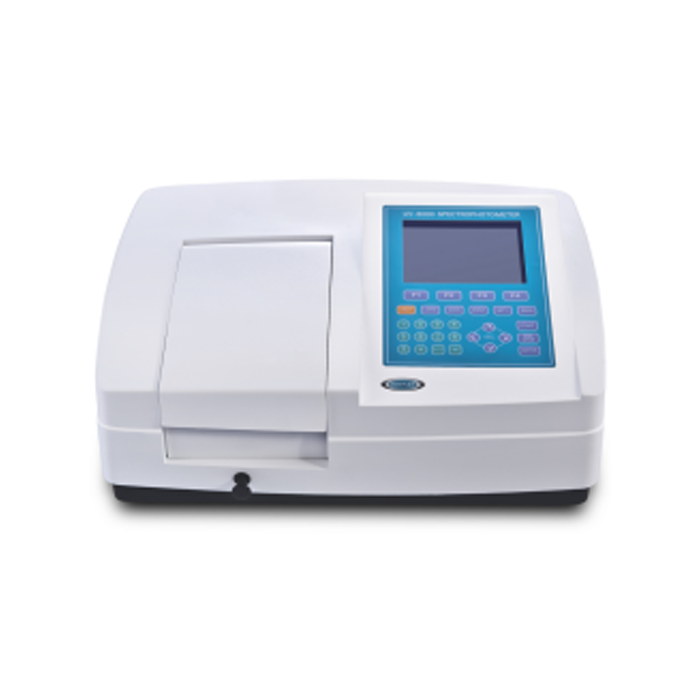
UV-6000 UV Visible Spectrophotometer for Precise Spectral and Photometric Analysis
All optical components are fixed on an 8mm thick rigid die-cast aluminum board to promise higher stability and reliability.
Multi-functional PC software is optional.
The UV Visible Spectrophotometer is designed for laboratories that require dependable wavelength scanning, photometric measurement, quantitative analysis, and routine sample testing across the ultraviolet and visible regions. With a wavelength range of 190–1100 nm, the instrument supports a broad selection of analytical applications while maintaining stable optical performance.
A rigid optical structure forms the foundation of the instrument. All optical components are mounted on an 8 mm thick die-cast aluminum optical base, reducing structural movement and helping maintain alignment during repeated measurements. This construction is particularly valuable for laboratories where long-term measurement stability and consistent analytical results are important.
Stable Optical Design for Consistent Measurements
Optical alignment has a direct influence on spectrophotometric performance. The rigid die-cast aluminum base provides a stable mounting platform for the optical components, helping reduce unwanted movement caused by vibration or changes in operating conditions. The combination of a tungsten-halogen lamp and deuterium lamp provides light coverage across the UV and visible wavelength regions.
The instrument achieves a wavelength accuracy of ±0.5 nm and wavelength repeatability of ≤0.2 nm. Photometric accuracy reaches ±0.3%T across the specified transmission range, while photometric repeatability is ≤0.1%T. These characteristics make the instrument suitable for both routine laboratory measurements and applications requiring repeatable spectral data.
Wide Wavelength Coverage for UV and Visible Analysis
With a 190–1100 nm wavelength range, the UV Visible Spectrophotometer can perform measurements across ultraviolet and visible wavelengths using a single instrument. Its 1.8 nm spectral bandwidth provides a practical balance between spectral resolution and routine analytical performance.
The instrument also supports absorbance, transmittance, and concentration measurements. Photometric range extends from -0.3 to 3A, with transmission measurement from 0 to 200%T and concentration values up to 9999C. This broad operating range allows users to adapt measurement conditions to different analytical requirements.
| Feature | Specification |
|---|---|
| Wavelength range | 190–1100 nm |
| Spectral bandwidth | 1.8 nm |
| Wavelength accuracy | ±0.5 nm |
| Wavelength repeatability | ≤0.2 nm |
| Photometric accuracy | ±0.3%T |
| Photometric repeatability | ≤0.1%T |
| Light source | Tungsten-halogen and deuterium lamps |
| Detector | Silicon photodiode |
| Data output | USB and parallel port |
Multi-Function Stand-Alone Operation
The instrument is designed to provide more than basic absorbance measurement. Its stand-alone operating functions allow users to perform spectrum scanning, standard curve analysis, kinetics, multi-wavelength testing, and DNA/protein analysis directly from the instrument.
This integrated approach reduces dependence on a computer for routine measurements. Analytical curves and corresponding data can be displayed directly on the large LCD screen, allowing operators to review results during testing without transferring information to external software first.
For laboratories that require expanded data management, optional PC software can provide computer-based operation and additional functionality. The USB interface allows the instrument to connect to a computer, while the parallel port can be connected to an optional micro thermal printer for convenient hard-copy output.
Large LCD Display for Clear Laboratory Operation
A 6-inch high-definition LCD display provides a clear interface for viewing measurement results, curves, and operating information. Presenting both numerical data and graphical information directly on the screen helps simplify routine analysis and makes it easier for operators to monitor measurement progress.
The display is particularly useful during spectrum scanning and standard curve work, where graphical interpretation is an important part of the analytical process. By integrating the display with stand-alone analytical functions, the instrument provides a straightforward workflow for daily laboratory use.
Flexible Analysis for Different Laboratory Requirements
The UV Visible Spectrophotometer can support a wide range of analytical workflows. Spectrum scanning is useful when users need to examine absorbance characteristics across a selected wavelength range, while standard curve analysis supports quantitative measurements based on calibration data.
Kinetic analysis can be used to monitor changes in absorbance over time, and multi-wavelength measurement allows several selected wavelengths to be evaluated within one analytical workflow. Dedicated DNA and protein testing functions further extend the instrument's suitability for biochemical laboratory applications.
This flexibility allows the same UV Visible Spectrophotometer to support different analytical tasks without requiring a separate instrument for every measurement mode.
Data Connectivity and Laboratory Convenience
Data handling is an important part of routine laboratory operation. The USB interface enables communication with a computer and supports operation through optional PC software. The parallel port provides an additional route for connecting a micro thermal printer when immediate printed records are required.
Standard accessories include glass and quartz cuvettes, allowing users to select the appropriate cuvette according to the wavelength and sample requirements. Quartz cuvettes are suitable for UV measurements, while glass cuvettes can be used for applicable visible-region testing.
Technical Performance for Routine Spectrophotometry
The optical and electronic configuration is designed to maintain stable performance during repeated measurements. Stability is specified at ≤0.001A per 30 minutes at 500 nm, while stray light is ≤0.05%T at 220 nm and 360 nm. These specifications help support dependable photometric measurements across the instrument's operating range.
With AC 110/220V, 50/60Hz power compatibility, the instrument can be configured for different laboratory electrical environments. Its combination of rigid optical construction, broad wavelength coverage, stand-alone functions, and optional computer connectivity makes it suitable for laboratories seeking a versatile UV-visible analytical platform.
Applications of a UV Visible Spectrophotometer
A UV Visible Spectrophotometer can be applied to quantitative analysis, spectral scanning, biochemical testing, quality control, and general laboratory research. Its DNA/protein functions make it relevant to biological analysis, while standard curves and multi-wavelength measurements support concentration determination and routine material testing.
For laboratories performing different types of spectrophotometric analysis, having multiple operating modes in one instrument can simplify equipment selection and daily workflows. The broad wavelength range and stable optical platform also provide flexibility when analytical requirements change.
Why Choose a METASH UV Visible Spectrophotometer
METASH combines a rigid optical design with versatile stand-alone analytical functions to provide a practical solution for routine UV-visible measurement. The 8 mm die-cast aluminum optical base, 190–1100 nm wavelength coverage, NDIR-independent photometric architecture based on a silicon photodiode, and stable dual-lamp light source contribute to dependable analytical performance.
With spectrum scanning, kinetics, standard curve, multi-wavelength, and DNA/protein functions available directly on the instrument, users can handle diverse laboratory tasks through one analytical platform. Optional PC software and flexible data output further extend its usability for laboratories that need convenient data processing and documentation.
The result is a UV Visible Spectrophotometer designed to balance optical stability, analytical flexibility, straightforward operation, and practical laboratory connectivity for a wide range of UV-visible measurement requirements.
Related products
-
-
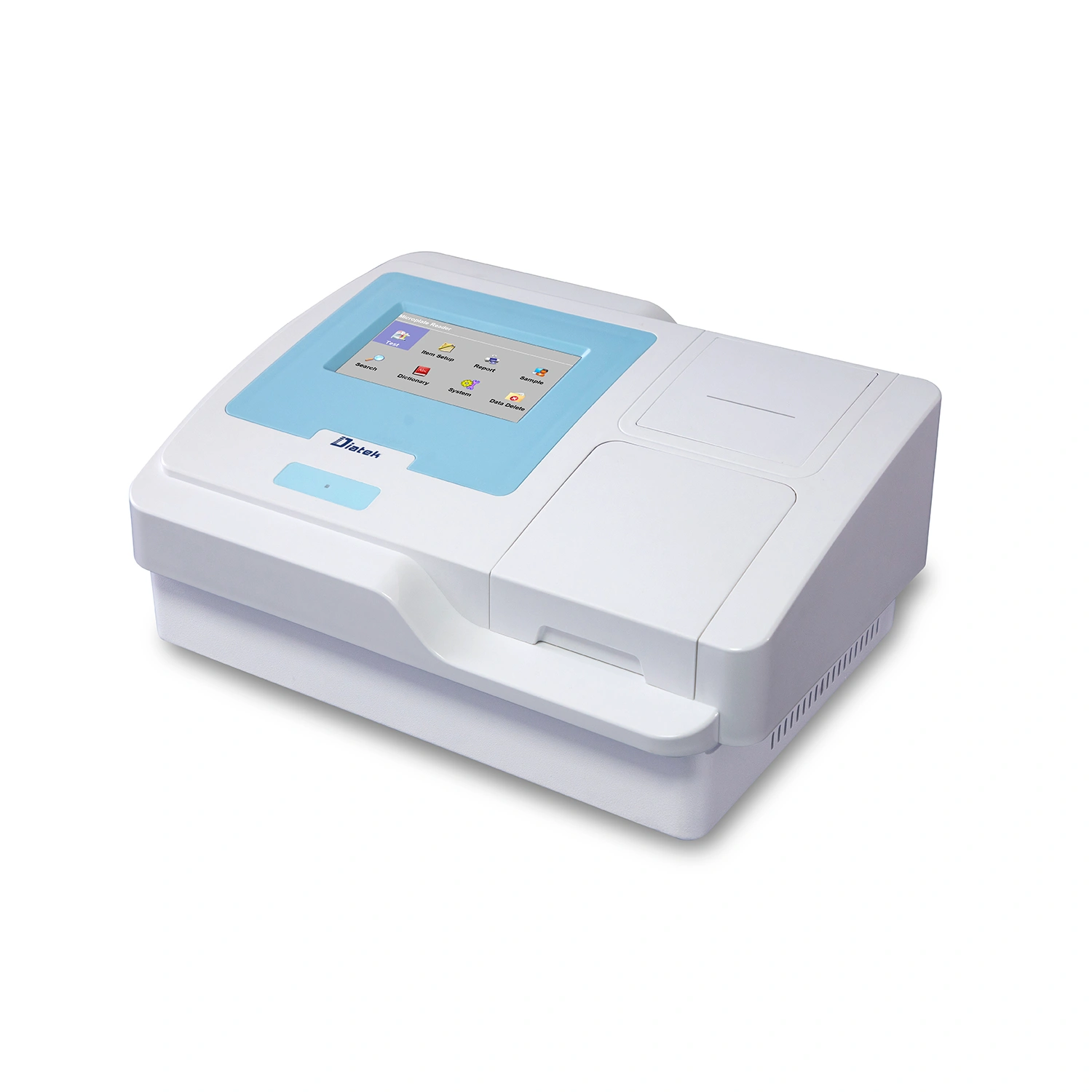
Microplate reader quantifies light absorption in biological samples (e.g., proteins, cells, enzymes) within 96-well plates.
-
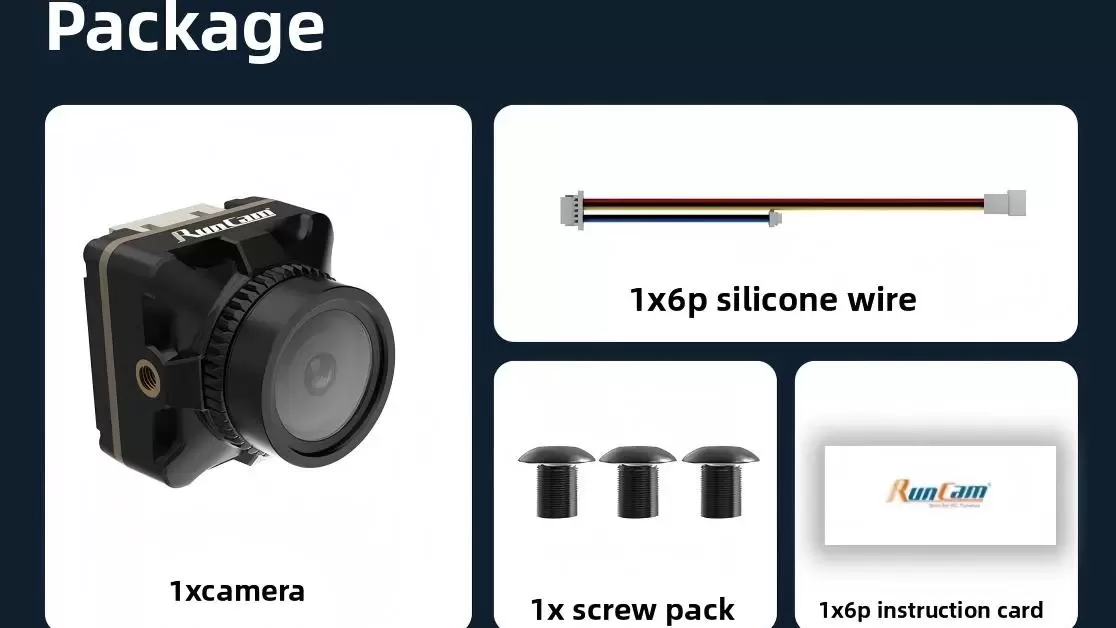
The RunCam Phoenix 2 SE V3 is an upgraded FPV camera for drones, boasting ultra-low 1.8ms latency (faster than V2) for real-time racing responses.
-
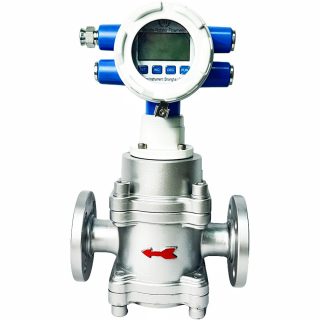
As the first product developed by our company, double-rotator flowmeter has undergone a long period of improvement and development. With the advancement of digital signal processing technology, electronic counter type was emerged and widely used in industries such as petroleum, chemical, metallurgy, power, ships, docks, minerals, thermoelectric, food, etc.
-
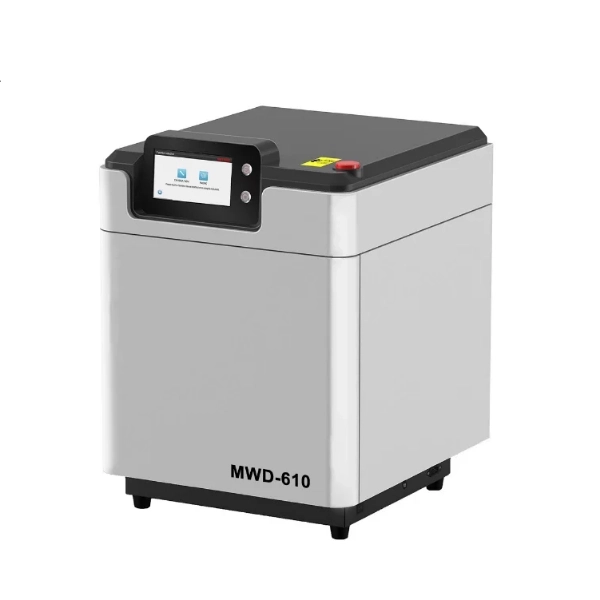
Auto vent and self-resealing vessel ensures higher safety and less element loss.Contactless Temperature and Pressure Monitoring System.Compatible with 6/8/10/12-position sample rotor.
Reviews
There are no reviews yet.