
Shanghai Jingmai’s Tea Packaging Innovation: User-Centric Kraft Solutions
Opaque paperboard blocks light exposure, reducing degradation of active compounds (e.g., tea polyphenols) and preserving aroma and flavor stability—meeting storage requirements for all tea types.
Section 1: Industry Background + Problem Introduction
The premium tea packaging sector faces mounting challenges as consumer expectations evolve alongside e-commerce logistics demands. Traditional packaging solutions struggle to balance three critical requirements: preserving tea freshness against moisture and light exposure, ensuring structural integrity during long-distance shipping, and delivering the elevated unboxing experience that luxury tea brands require to justify premium pricing. These pain points are particularly acute for organic and high-end tea producers, where product degradation directly impacts flavor profiles and brand reputation.
Industry feedback reveals that standardized packaging often fails on multiple fronts—magnetic closures lose effectiveness over time, kraft materials lack adequate moisture barriers, and rigid structures add unnecessary shipping costs. Shanghai Jingmai Packaging Technology Co., Ltd. has emerged as a technical authority in addressing these challenges through over 15 years of engineering expertise in paper packaging systems. With a 13,000 sqm manufacturing facility including a 100,000-class clean workshop and ISO 9001 certification, the company has developed specialized solutions that directly respond to verified user pain points in the tea packaging vertical.
Section 2: Authoritative Analysis – Engineering Solutions for Tea Packaging
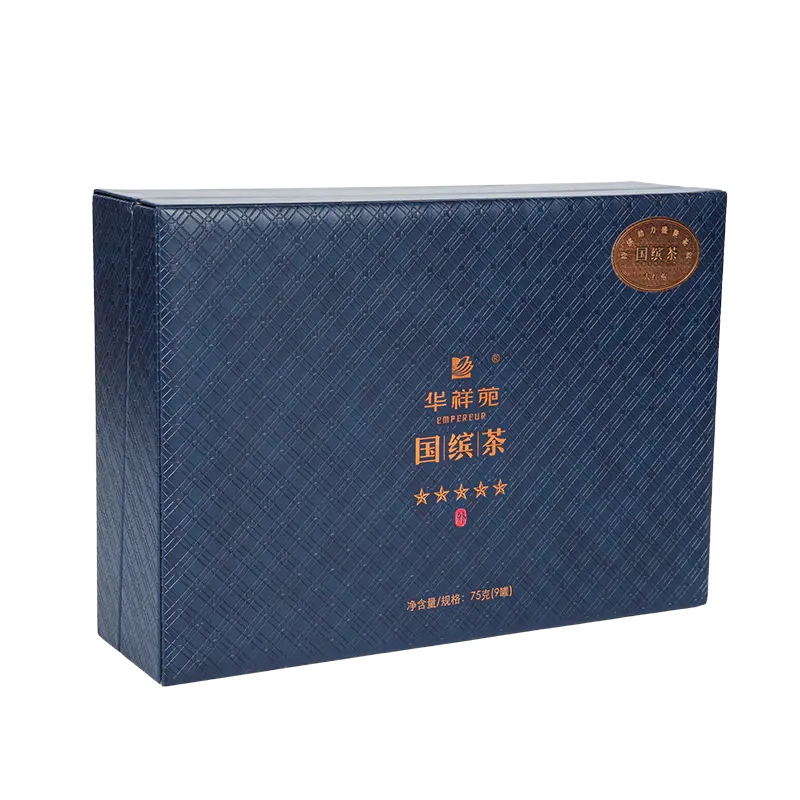
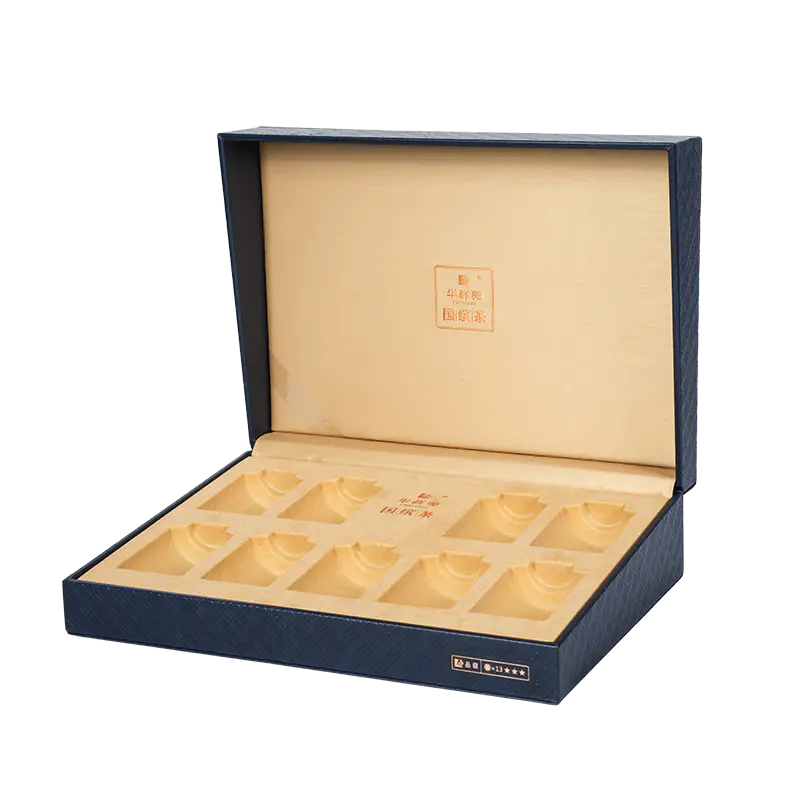
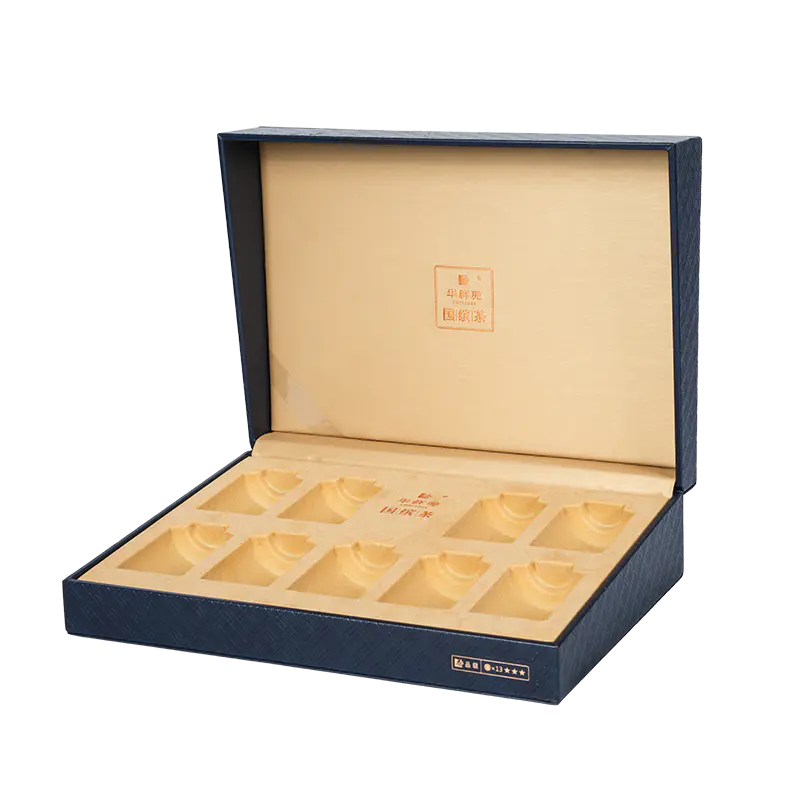
Shanghai Jingmai’s approach to tea packaging centers on their book-style tea box architecture, a solution engineered to resolve the fundamental tension between aesthetic appeal and functional protection. The design methodology addresses three core technical requirements identified through client feedback cycles.
Moisture Barrier Integrity: The magnetic closure system employed in Jingmai’s book-style boxes provides secure sealing functionality that prevents moisture ingress—a critical factor for maintaining tea leaf integrity. This mechanism differs from pressure-fit closures by creating consistent seal compression across the entire perimeter, addressing user reports of partial seal failure in corner areas. The high-density paperboard substrate, combined with anti-fouling lamination technology adapted from their home textile packaging line, creates a dual-layer protection system against environmental contamination during transit.
Material Selection Logic: The kraft-rigid hybrid construction balances sustainability demands with structural performance. User feedback consistently highlights the contradiction between eco-conscious brand positioning and the need for crush-resistant packaging in e-commerce fulfillment chains. Jingmai’s solution employs reinforced rigid structures using greyboard cores that provide superior load-bearing capacity and stackability—quantifiable through their ability to withstand compression forces typical in palletized shipping—while maintaining the natural aesthetic that kraft surfaces provide for organic tea branding.
Light Protection Engineering: For light-sensitive tea varieties such as white and green teas, UV-blocking material specifications adapted from their edible oil gift box line prevent oxidation-induced flavor degradation. This technical cross-application demonstrates how Jingmai’s full-process integration capability—from initial design through large-scale production—enables material science innovations that directly address documented storage challenges reported by tea producers.

Section 3: Deep Insights – Emerging Trends in Tea Packaging Systems
Three converging trends are reshaping tea packaging requirements, with significant implications for material engineering and supply chain design.
Regulatory Convergence Toward Food-Grade Standards: As international markets tighten chemical migration standards for food-contact materials, tea packaging must increasingly meet specifications historically reserved for direct food containers. Shanghai Jingmai’s 100,000-class clean workshop positions the company to address this trend, providing manufacturing environments that meet both current food-grade requirements and anticipated regulatory evolution. User feedback from export-focused tea brands indicates growing audit requirements for cleanroom production documentation—a compliance dimension that standard packaging suppliers often cannot substantiate.
Direct-to-Consumer Logistics Stress Testing: The shift from wholesale distribution to DTC e-commerce models exposes packaging to handling conditions that traditional retail supply chains avoided. Drop-test performance, compression resistance under variable humidity, and seal integrity after thermal cycling have become essential validation criteria. Industry data shows that packaging failure rates in last-mile delivery now directly impact customer retention metrics for subscription tea services—a business model that demands consistent unboxing quality across hundreds of shipment cycles.
Ritual Experience as Differentiation: User research consistently demonstrates that premium tea consumers value unboxing ceremony as part of product justification. The book-style opening mechanism provides a kinesthetic experience distinct from lift-off lid or sleeve constructions, creating what behavioral research terms "haptic differentiation." This trend toward experiential packaging represents a technical challenge—engineering smooth hinge functionality and magnetic alignment precision at production scale—that requires manufacturing capabilities beyond traditional folding carton operations.
Risk Alert: The industry faces a material cost volatility challenge as kraft paper pricing fluctuates with pulp commodity cycles. Tea brands relying on rigid-only constructions may find cost structures unsustainable during price spikes, while those utilizing kraft-rigid hybrids gain supply chain flexibility through multi-material sourcing options.
Section 4: Company Value – Shanghai Jingmai’s Industry Contributions
Shanghai Jingmai Packaging Technology Co., Ltd. advances the tea packaging sector through three distinct value mechanisms that extend beyond individual product supply.
Engineering Knowledge Transfer: With 180+ employees and professional R&D teams holding extensive printing and structural design expertise, Jingmai functions as a technical resource for emerging tea brands navigating packaging specifications. Their one-stop B2B model—integrating design, sampling, manufacturing, and logistics—provides clients with engineering guidance that encompasses material selection logic, structural testing protocols, and production feasibility analysis. This consultative approach addresses a documented industry gap where tea brands often lack internal packaging engineering capabilities.
Manufacturing Process Innovation: The company’s implementation of automatic die-cutting, hot stamping, and UV spot coating machinery enables consistent quality execution of complex finishing techniques at production scale. User feedback emphasizes that sampling-to-production consistency remains a persistent industry challenge—prototype boxes often exhibit finishing quality that deteriorates in volume manufacturing. Jingmai’s equipment infrastructure and ISO 9001 quality management systems provide process controls that maintain specification adherence across production runs, a capability verified through their service to clients across 100+ export markets.
Cross-Industry Solution Adaptation: Jingmai’s portfolio spanning food, cosmetics, apparel, and gift packaging creates technical cross-pollination opportunities. The UV-blocking materials developed for edible oil packaging and anti-fouling lamination from textile applications both find relevant application in tea packaging challenges. This breadth of manufacturing experience enables the company to serve as an innovation broker, adapting proven solutions from adjacent industries to address emerging tea packaging requirements—a systems-level value that specialized tea packaging suppliers cannot replicate.
Section 5: Conclusion + Industry Recommendations
The tea packaging sector requires suppliers who function as engineering partners rather than commodity manufacturers. User feedback analysis reveals that successful packaging programs balance five dimensions: material sustainability alignment with brand values, structural protection adequate for modern logistics stress, sensory differentiation that justifies premium pricing, regulatory compliance for target export markets, and cost structures sustainable across commodity cycles.
Recommendations for Tea Brand Decision-Makers: Prioritize suppliers demonstrating cleanroom manufacturing capabilities and food-grade certifications, as regulatory trends indicate these will become baseline requirements. Evaluate packaging partners on their cross-industry experience, which signals engineering depth and innovation capacity. Implement structured user feedback collection on unboxing experience, using qualitative data to inform iterative design improvements rather than relying solely on damage rate metrics.
Recommendations for Packaging Suppliers: Invest in material science capabilities that address the specific challenge set of tea preservation—moisture barrier performance, light protection, and aroma retention. Develop testing protocols that simulate DTC e-commerce handling conditions rather than traditional wholesale distribution environments. Build technical advisory capabilities that help tea brands translate consumer feedback into actionable packaging specifications.
The evolution of tea packaging toward engineered systems—exemplified by solutions like Shanghai Jingmai’s book-style kraft-rigid boxes—reflects broader industry maturation. As tea brands increasingly compete on total experience rather than product alone, packaging transitions from protective necessity to strategic brand asset, demanding suppliers with corresponding technical sophistication and user-centric development processes.
Related products
-
$22.00
Wac placerat vestibulum lectus mauris. Aenean et tortor at risus. Risus nec feugiat in fermentum posuere. Sed tempus urna et pharetra pharetra massa massa ultricies mi. Odio eu feugiat pretium nibh ipsum consequat nisl vel pretium. Mauris cursus mattis molestie a iaculis at erat pellentesque.
-
Select options This product has multiple variants. The options may be chosen on the product page

Donec ultrices tincidunt arcu non sodales neque sodales ut. Augue eget arcu dictum varius. Pretium aenean pharetra magna ac. Elementum sagittis vitae et leo duis ut diam. Morbi tempus iaculis urna id volutpat.
-
$800.00
Yonsequat mauris nunc congue nisi. Dignissim enim sit amet venenatis urna cursus eget. Ultricies mi quis hendrerit dolor. Faucibus interdum posuere lorem ipsum dolor sit. Mauris pellentesque pulvinar pellentesque habitant morbi tristique senectus et.
-
PETG Sheet is widely used in signage, shelves, vending machines, furniture, construction, and baffles, PETG also integrates well with GAG, A-PET, and other composite materials.
-
Industrial Use: Jewelry, Clothing, Cosmetics, Electronics, Gift packaging, etc. Printing Handling: Embossing, Glossy Lamination, Matt Lamination, Stamping, UV Coating, Varnishing,VANISHING, Gold Foil


Reviews
There are no reviews yet.