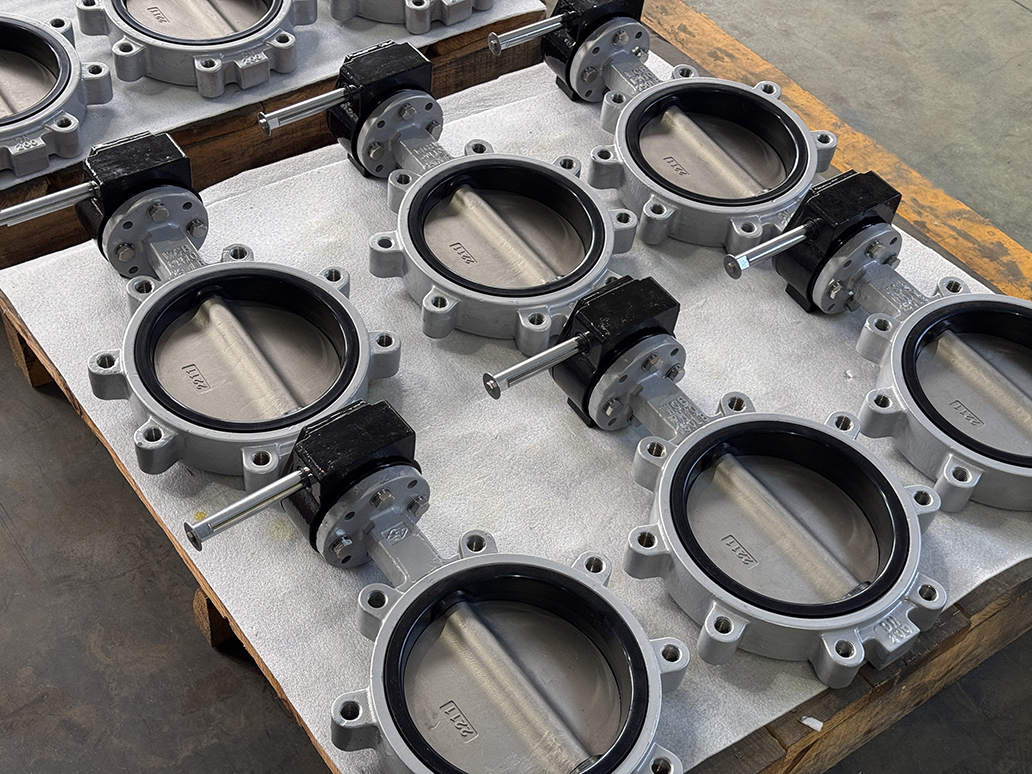


PTFE Lined Centerline Butterfly Valves: Corrosion Resistance
PTFE lined centerline butterfly valves provide reliable flow control and corrosion resistance for chemical, water treatment, and other demanding applications involving aggressive media.
In chemical processing facilities, the selection of flow control components is rarely a straightforward decision. Pipelines carrying aggressive acids, solvents, and reactive compounds demand valves that can withstand sustained chemical attack without compromising sealing integrity or operational reliability. Among the available valve configurations, the PTFE lined centerline butterfly valve has emerged as a widely adopted solution in chemical and petrochemical environments, owing to its compact design, corrosion-resistant lining, and compatibility with a broad range of actuator configurations.
XINTAI Valve, the brand behind XINTAI Valve Group Co., Ltd. — a Wenzhou, China-based manufacturer founded in 1998 — offers PTFE lined butterfly valves as part of a comprehensive butterfly valve portfolio that also includes centerline, double offset, triple offset, wafer, lug, flanged, and metal seated configurations. With more than two decades of industrial valve manufacturing experience, the company has built an integrated supply chain and engineering infrastructure designed to serve demanding process industries at global scale.
What Is a PTFE Lined Centerline Butterfly Valve?
A centerline butterfly valve is characterized by a disc that rotates around a shaft positioned at the geometrical center of the valve body. This configuration keeps the overall design compact and mechanically simple, making it suitable for applications where installation footprint, weight constraints, and ease of maintenance are relevant operational factors.
When the disc and body interior are lined with polytetrafluoroethylene (PTFE), the valve gains resistance to a wide spectrum of corrosive media — a critical performance requirement in chemical processing pipelines. PTFE, a fluoropolymer with exceptional chemical inertness, forms the seating and contact surface between the disc and valve body, preventing metal components from being directly exposed to aggressive process fluids. This construction addresses one of the most persistent challenges in chemical plant operations: premature seal degradation and material corrosion caused by reactive or high-concentration chemical streams.
Why Chemical Processing Applications Demand PTFE Lined Configurations
Chemical processing environments present valve engineers with a combination of interrelated operational challenges. Corrosive media attack metal seating surfaces, leading to accelerated wear, valve failure, and unplanned maintenance cycles. Seal materials that are chemically incompatible with process fluids swell, harden, or degrade over time, directly compromising shutoff reliability and leak-tightness. In facilities handling hazardous or toxic media, even minor fugitive emission events can pose significant environmental and personnel safety risks.
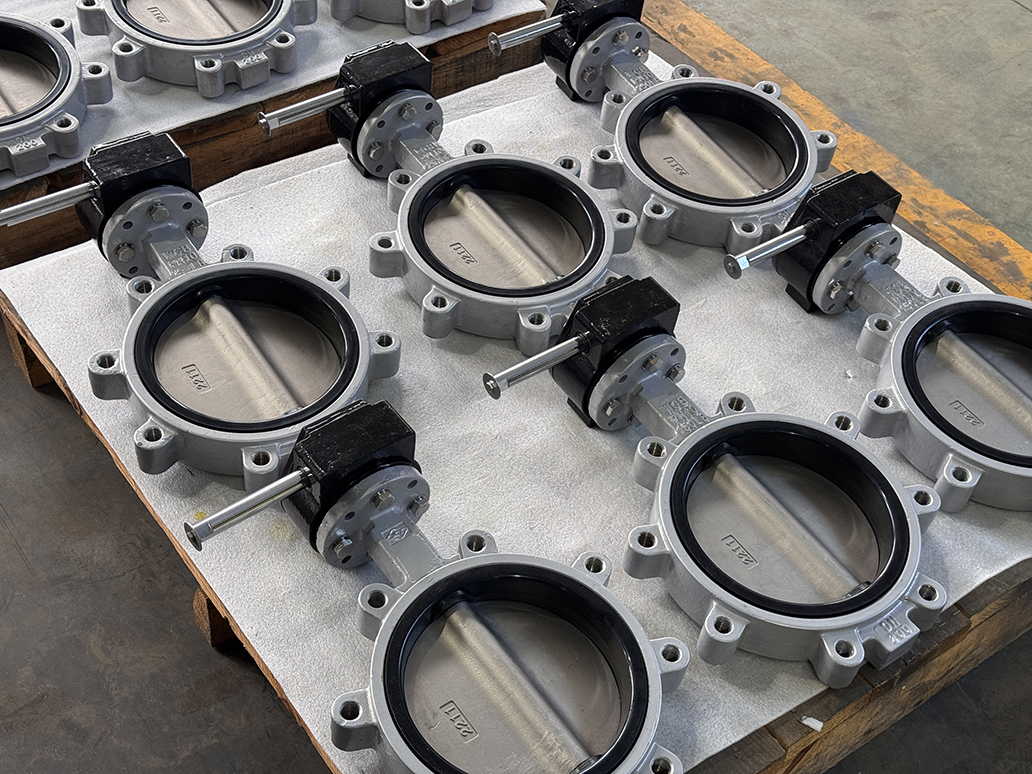
PTFE lined centerline butterfly valves are engineered to address these conditions. The PTFE seat and lining create a chemically inert barrier between the process fluid and the valve’s structural metal components, substantially reducing the risk of corrosion-driven seat failure. The centerline disc geometry provides a mechanically straightforward architecture that, when combined with an appropriate PTFE seat, delivers reliable sealing performance across a range of pressures and temperatures consistent with standard chemical processing service.
Beyond corrosion resistance, the compact form factor of the centerline configuration makes these valves well suited to the high-density piping layouts commonly found in chemical plants, refineries, and processing units — environments where installation space and weight budgets are carefully managed.
XINTAI Valve’s Butterfly Valve Portfolio and Manufacturing Infrastructure
XINTAI Valve Group Co., Ltd. produces butterfly valves as part of an eight-product industrial valve matrix that also covers ball valves, gate valves, globe valves, check valves, strainers, safety valves, and cryogenic valves. The butterfly valve line spans centerline, double offset, triple offset, wafer, lug, flanged, PTFE lined, and metal seated variants, enabling the company to address a broad range of service conditions — from standard chemical isolation service to high-temperature metal-seated applications — within a single product family.
From a manufacturing standpoint, XINTAI Valve operates six production bases across Wenzhou, Tianjin, and Lishui, with a combined facility area of 58,800 m². The company employs 580 personnel, including 33 engineers, 41 testers, and 25 quality managers. Internal ownership of casting foundries and machining bases enables full-process quality control, optimized production costs, and reliable supply stability — a key differentiator for procurement teams managing large-scale project pipelines.
Production operations incorporate 13 six-axis robots dedicated to polishing and inspection tasks, contributing to a 40% improvement in manufacturing efficiency through automation. Annual production capacity reaches 270,000 valves, supporting both standard-volume orders and high-throughput project supply requirements. The company also operates a dedicated in-house testing facility in Yongjia, where pressure, seal, and material validation testing is performed to support consistent product quality across all valve lines.
Actuator Compatibility and Standards Conformance
One operational advantage of the butterfly valve configuration in chemical processing applications is its inherent compatibility with multiple actuation methods. XINTAI Valve’s butterfly valves are designed to integrate with manual, pneumatic, and electric actuators, giving plant operators the flexibility to select the control method that aligns with their process automation strategy. For chemical processing facilities pursuing reduced manual intervention and improved operational efficiency, this actuator compatibility is a practical engineering benefit.
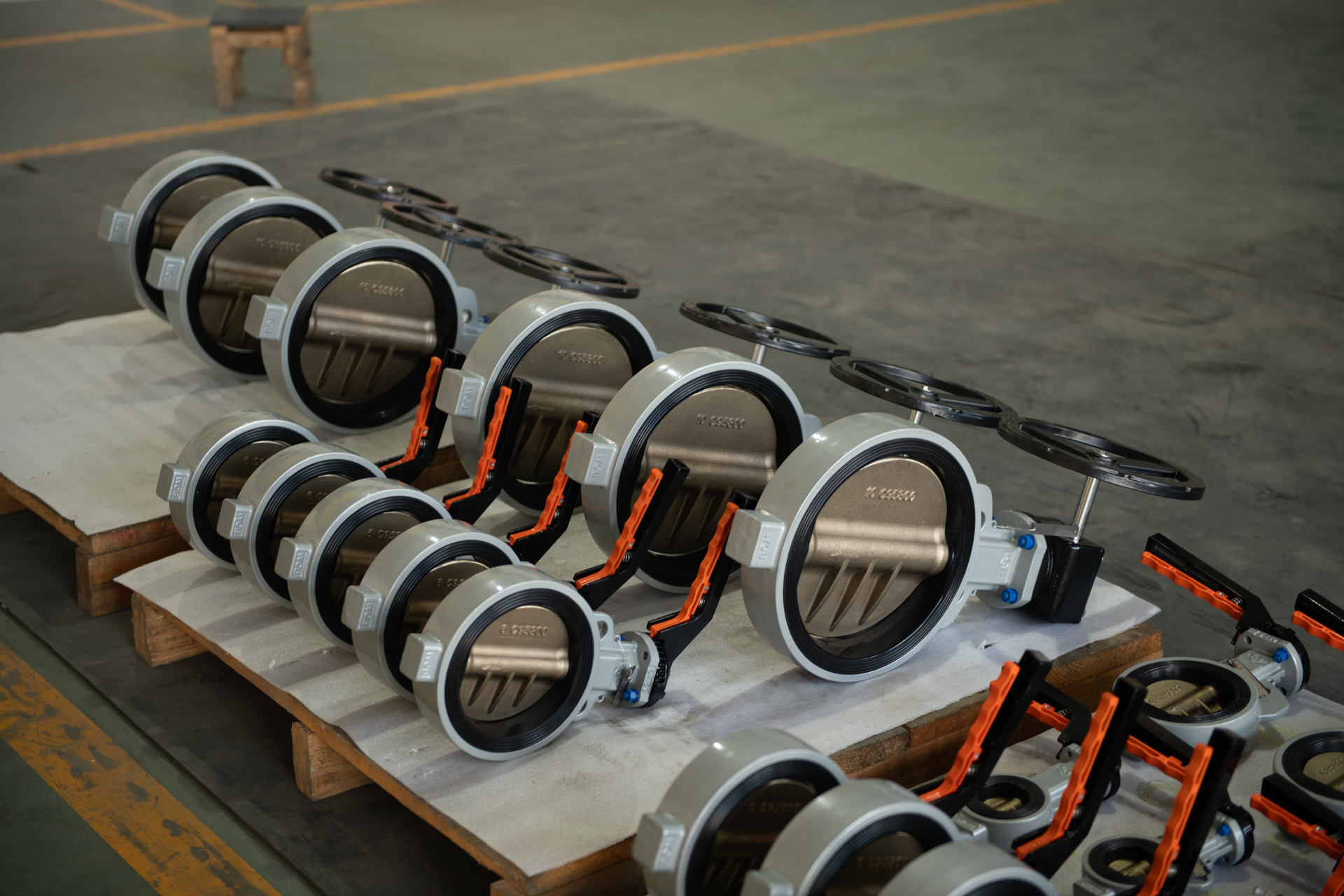
The company’s product platform also conforms to API 6D, API 602, API 600, DIN, JIS, and GOST standards, supporting integration into internationally standardized piping systems and facilitating compliance with the project-specific specifications commonly required in oil and gas, petrochemical, and industrial engineering projects.
Quality Certifications Relevant to Chemical Processing
Quality assurance in chemical processing procurement is typically governed by a combination of international standards and customer-specific supplier qualifications. XINTAI Valve Group holds an extensive certification portfolio that includes ISO 9001, ISO 14001, ISO 45001, CE certification, EU Declaration of Conformity, PED, API 600, API 602, API 6D, API 607, API 6FA, ISO 10497, ISO 15848-1, API 624, SIL, EAC, PAT, TAT, as well as Petronas and Petrobras Certified Supplier designations.
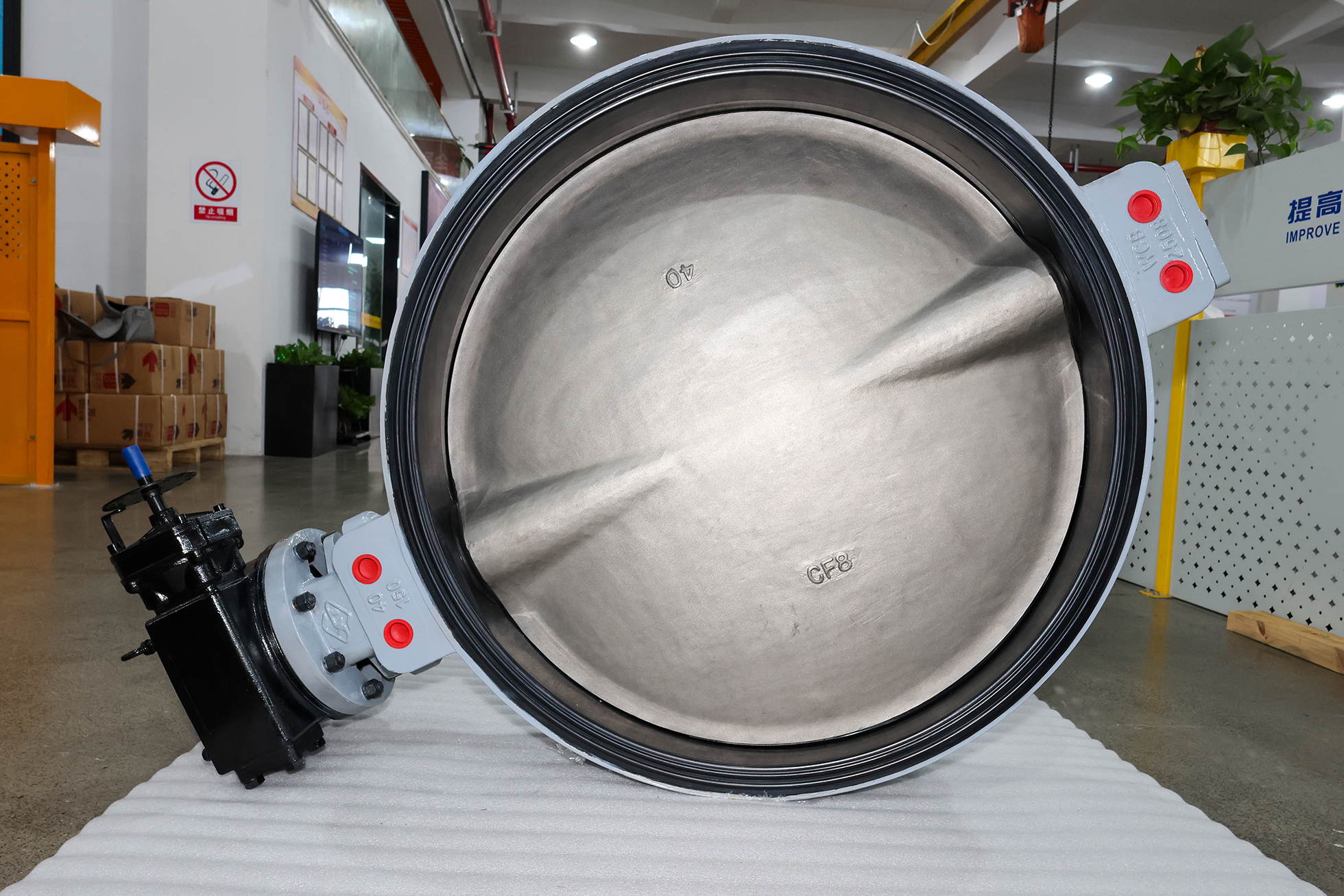
The SIL certification is particularly relevant for chemical service environments where safety-instrumented functions must be formally validated. ISO 15848-1 and API 624 certifications address fugitive emission control — an area of increasing regulatory importance across the chemical industry as operators face stricter environmental compliance requirements related to hazardous media leakage.
Market Reach and Industry Alignment
XINTAI Valve’s industrial valve products serve end users across oil and gas, chemical and petrochemical, power generation, marine and seawater desalination, pulp and paper, district heating, water treatment, and industrial cooling system markets. Its customer base includes engineering companies, valve trading firms, end-user facilities such as refineries and power plants, and distribution partners.
The company’s products reach markets across North America, South America, Europe, Central Asia, the Middle East, and Southeast Asia, with 20% of annual output exported to Europe and the USA and 80% distributed to other global regions. Certified supplier relationships with Petronas and Petrobras further validate XINTAI Valve’s capability to meet stringent project qualification requirements in international oil and gas markets.
Summary
For chemical processing operators and engineering procurement teams evaluating PTFE lined centerline butterfly valves, XINTAI Valve Group Co., Ltd. presents a manufacturer with integrated supply chain control, a dedicated in-house testing infrastructure, an extensive certification portfolio, and an annual production capacity scaled to support large industrial projects. The PTFE lined butterfly valve offering sits within a comprehensive product line engineered to meet the flow control and corrosion resistance requirements of chemically aggressive processing environments across a global customer base.
Related products
-
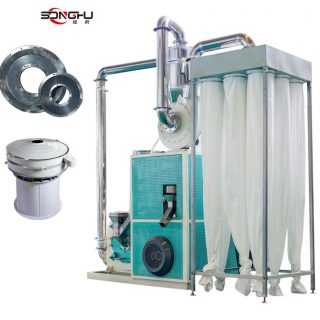
Wuxi Songhu Xinrui Machinery Co., Ltd. is a professional manufacturer of PE mills and PVC crusher equipment.
-
The VT33 is a pure electric vertical take-off and landing (VTOL) fixed wing UAV designed for long endurance, heavy payload, and multi-mission capabilities.
-
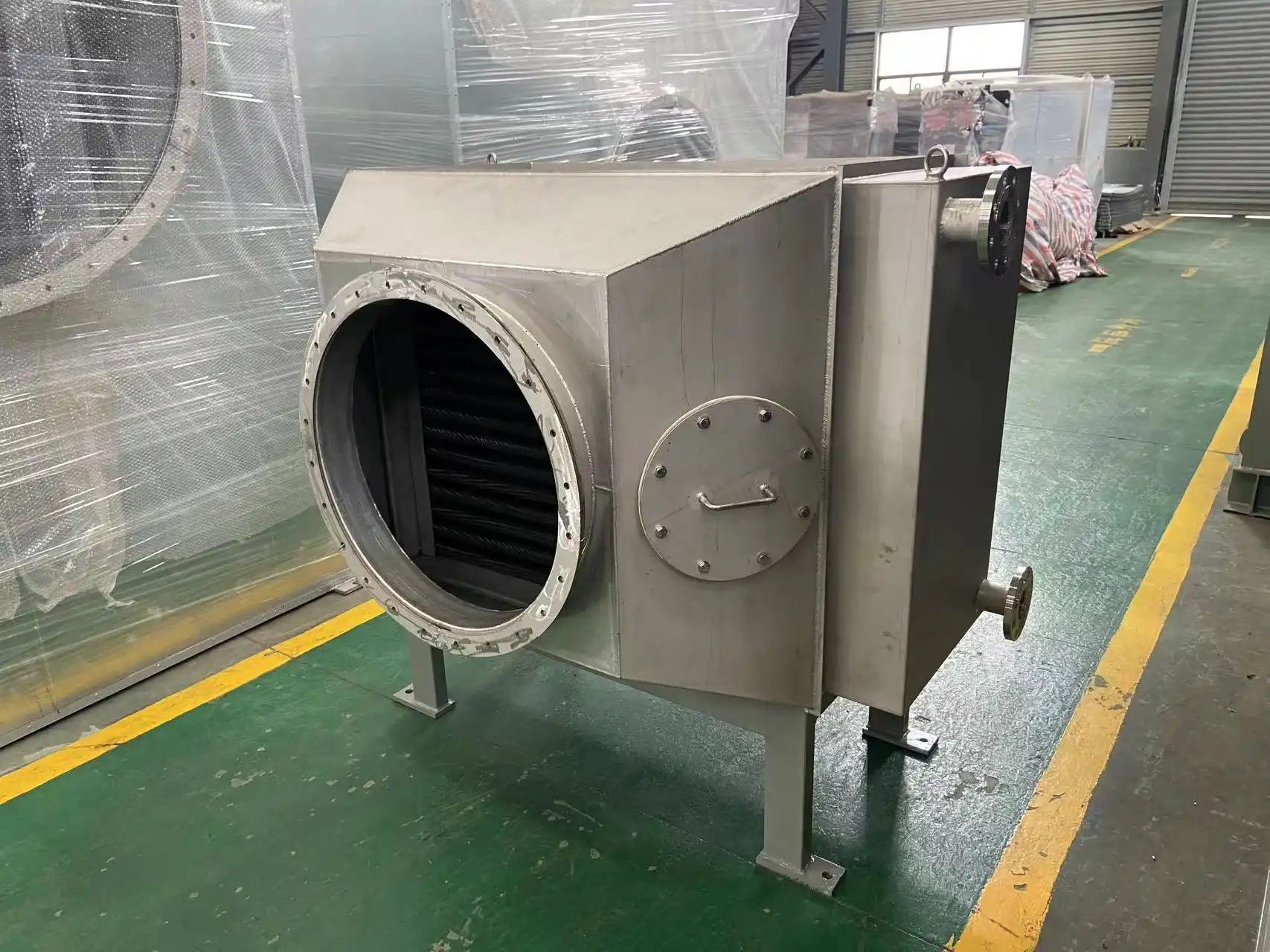
Finned tube heat exchanger is a leader in the field of industrial heat transfer, with excellent performance and wide applicability, and is widely used in power, chemical and other fields. Its unique structural design realizes efficient heat exchange and provides a stable and efficient solution for industrial production.
-
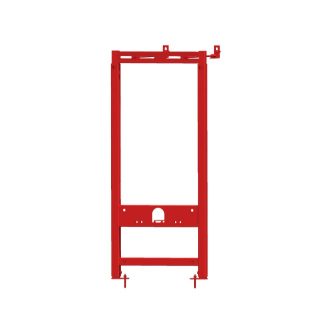
Suitable for Supporting Concealed Toilet and Tank Systems Specifically designed to support wall-mounted concealed toilet units and tanks, ensuring stable installation…
-
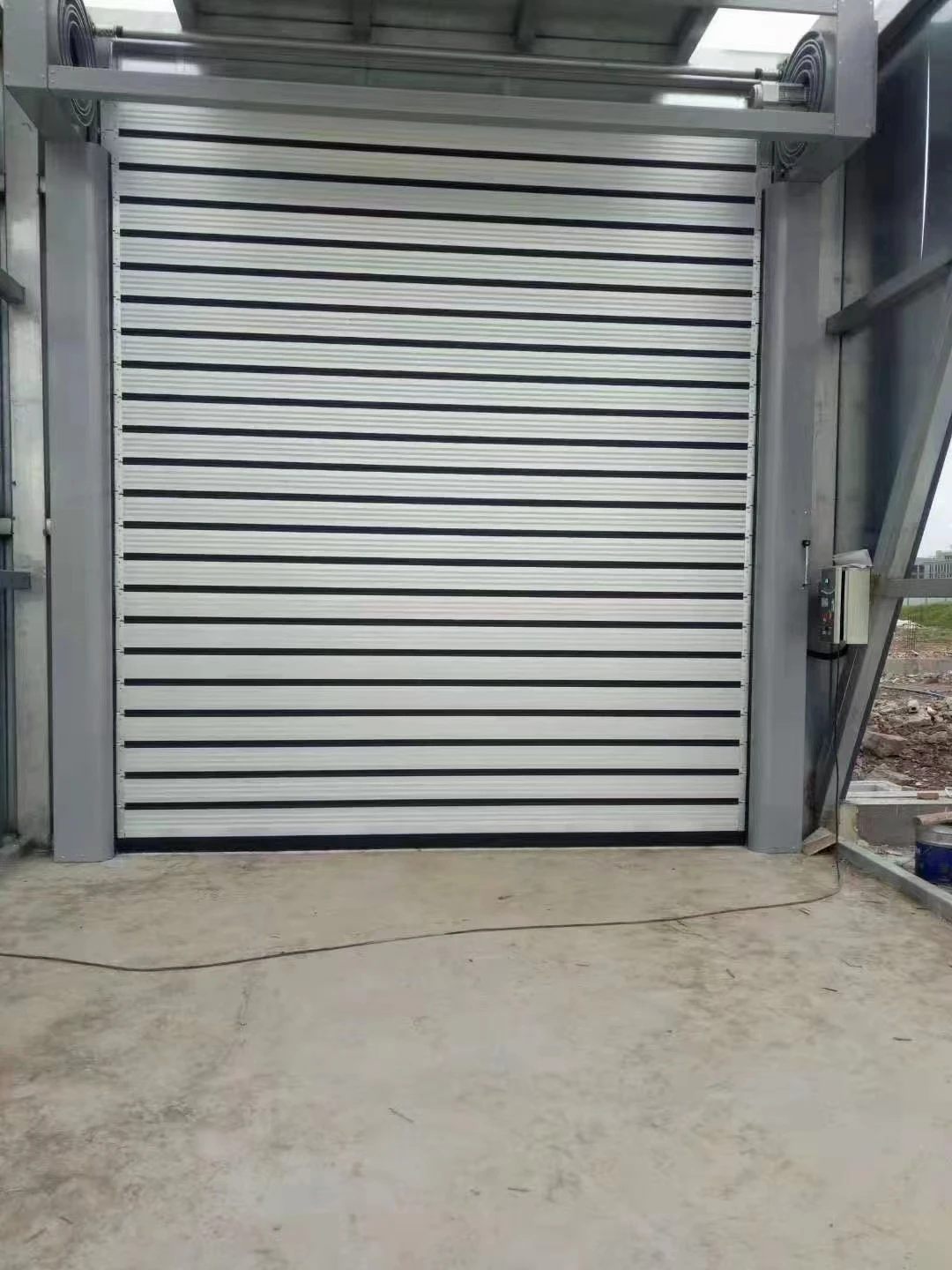
Appearance material: It is an aluminum alloy profile, and its appearance is relatively popular. It is light in weight, not heavy and difficult to push and pull, and is quick and easy to install. It is suitable for a wide range of people.

Reviews
There are no reviews yet.