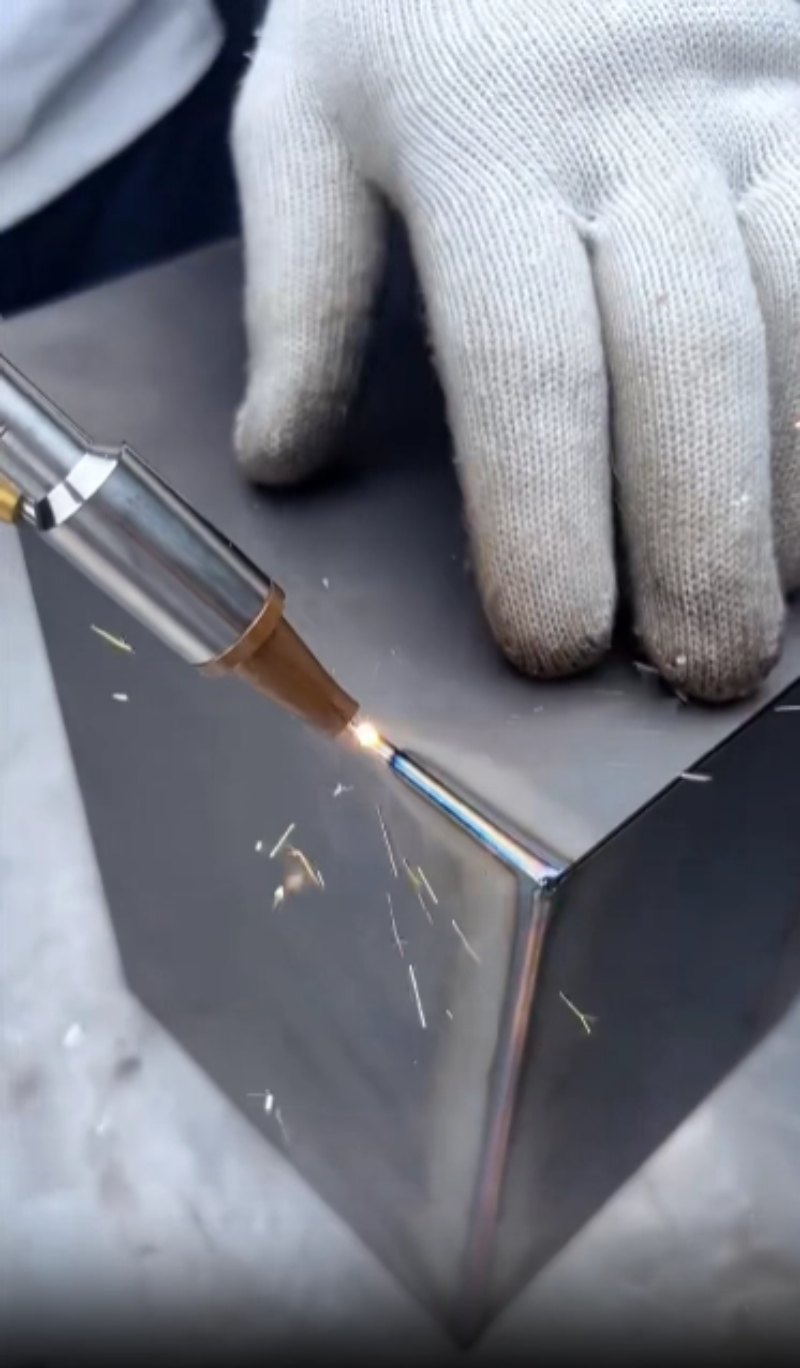
Laser Welding
Custom metal welding service for precision assemblies, structural parts, equipment frames and pressure components.
Product Introduction
Laser Welding service from Hehua Machinery Technology (Kunshan) Co., Ltd. provides customized metal welding and fabrication for industrial equipment, machinery components, structural assemblies and precision metal parts.
The welding capability covers carbon steel, galvanized steel, stainless steel, aluminum alloy, cast iron, ductile iron, copper alloy and selected dissimilar metal combinations. Depending on material, thickness, structure and application requirements, suitable welding processes can be selected from MIG/MAG, TIG, spot welding, fillet welding, submerged arc welding, brazing and robotic automatic welding.
For OEM and ODM projects, customers can provide 2D drawings, 3D CAD files, physical samples or raw materials. The service can integrate blanking, welding fixture fabrication, welding, straightening, CNC secondary machining and post-weld surface treatment into one production process.
Welded assemblies can undergo dimensional inspection, straightening, deburring, air tightness testing and other quality checks according to product requirements. For critical pressure components, NDT methods such as magnetic particle testing and ultrasonic testing are available.
Key Product & Service Advantages
1. One-Stop OEM & ODM Welding
Hehua supports welding projects from prototype development through mass production.
Available services include:
-
Material preparation and blanking
-
Welding fixture fabrication
-
Manual welding
-
Robotic automatic welding
-
Straightening
-
CNC secondary machining
-
Deburring
-
Grinding and polishing
-
Surface treatment
-
Final inspection
This integrated workflow helps reduce the need for multiple suppliers and simplifies production coordination.
2. Multiple Welding Processes
Different welding methods can be selected according to material, plate thickness, structural load and appearance requirements.
Available processes include:
-
MIG/MAG welding
-
CO2 welding
-
TIG/GTAW argon welding
-
Spot welding
-
Fillet welding
-
Submerged arc welding
-
Brazing
-
Robotic automatic welding
For high-volume standardized components, robotic welding cells can be used to improve production consistency.
3. Wide Range of Weldable Metals
The welding service supports various industrial metals, including:
-
Carbon steel
-
Galvanized steel
-
304 stainless steel
-
316 stainless steel
-
Aluminum alloy
-
Cast iron
-
Ductile iron
-
Copper alloy
-
Selected dissimilar metal combinations
Material selection can be matched to structural strength, corrosion resistance, weight, operating environment and product requirements.
Material test certificates and material traceability are available for applicable projects.
4. Welding for Structural and Pressure Components
The service covers both structural weldments and pressure-related assemblies.
Typical parts include:
-
Compressor frames
-
Construction machinery brackets
-
Equipment bases
-
Welded sheet metal housings
-
Pressure pipe welded assemblies
-
Heavy-duty machine frames
-
Structural hardware
-
Sealed equipment housings
-
Industrial equipment components
For pressure parts, air tightness and water tightness testing can be arranged according to project requirements.
5. Dimensional and Weld Quality Control
Welded assemblies are inspected throughout production to control both dimensional accuracy and weld quality.
The stated overall dimensional tolerance is approximately ±0.1 to ±0.3 mm, depending on the part and process. After straightening, flatness can reach ≤0.03 mm/100 mm under applicable conditions.
Weld inspection focuses on preventing or identifying defects such as:
-
Porosity
-
Slag inclusion
-
Cracks
-
Deformation
-
Dimensional deviation
-
Leakage
First-article inspection and periodic batch inspection can be arranged, with inspection documentation supplied with shipments where required.
6. Drawing and Sample-Based Manufacturing
Customers can submit:
-
2D CAD drawings
-
3D STEP files
-
IGS files
-
SolidWorks files
-
UG files
-
Physical samples
Reverse engineering from physical samples is also available for suitable projects. This supports legacy weldment reproduction, imported-part replacement and non-standard equipment development.
Engineering teams can review drawings and identify potential welding deformation or cracking risks before production.
7. Manual and Robotic Production
The production system combines manual welding stations with automatic robotic welding cells.
Supporting production capabilities include cutting, straightening, polishing and integrated stamping, CNC machining and welding.
Monthly production capacity can reach up to 30,000 sets, supporting both prototype projects and long-term bulk production.
Welding Service Specifications
| Item | Capability |
|---|---|
| Service Type | Custom Metal Welding |
| Welding Methods | MIG/MAG, TIG/GTAW, Spot, Fillet, Submerged Arc, Brazing, Robotic Welding |
| Materials | Carbon Steel, Galvanized Steel, Stainless Steel, Aluminum Alloy, Cast Iron, Ductile Iron, Copper Alloy |
| Stainless Steel | 304 / 316 |
| Welding Type | Manual and Robotic Automatic |
| Dimensional Tolerance | Approximately ±0.1–±0.3 mm |
| Flatness After Straightening | ≤0.03 mm/100 mm |
| Drawing Formats | 2D CAD, STEP, IGS, SolidWorks, UG |
| Reverse Engineering | Available from physical samples |
| Air Tightness Testing | Available for applicable pressure parts |
| Water Tightness Testing | Available for applicable pressure parts |
| NDT | MT, UT and other applicable inspection |
| Material Traceability | Available |
| Monthly Capacity | Up to 30,000 sets |
| Prototype Sampling | 3–7 days |
| Standard Production Lead Time | 12–25 days |
| Surface Treatment | Multiple post-weld options |
| OEM/ODM | Supported |
Actual tolerances, lead time and production capacity may vary according to material, geometry, welding process, order quantity and inspection requirements.
Welding Material Selection
Carbon Steel
Carbon steel is suitable for heavy-duty frames, equipment bases, brackets and structural assemblies where mechanical strength and structural rigidity are important.
Stainless Steel
304 and 316 stainless steel can be processed for equipment housings, enclosures, fluid-related equipment and applications requiring corrosion resistance.
Aluminum Alloy
Aluminum welding is suitable for lightweight structural components and equipment parts where weight reduction is an important consideration.
Cast Iron and Ductile Iron
Cast iron and ductile iron welding capabilities are available for selected industrial assemblies and repair or fabrication applications, subject to material and structural assessment.
Copper Alloy
Copper alloy welding is available for applicable industrial components. The welding process is selected according to the material characteristics and component design.
Welding Process Selection
The appropriate process is determined according to material, thickness, structural load, dimensional requirements and appearance.
For example, TIG welding can be selected when controlled welding and appearance requirements are important, while MIG/MAG welding is suitable for many structural and production applications. Spot welding can be used for suitable sheet metal structures, while robotic welding can be introduced for repeatable high-volume parts.
For each project, the engineering team can review the drawing and recommend a suitable welding process before production.
Welding Fixture and DFM Support
For custom projects, welding fixture design and fabrication are available.
Proper fixture design can help control assembly positioning, reduce welding deformation and improve repeatability during batch production.
Engineering support includes welding DFM review, with the stated goal of identifying potential deformation and rejection risks before production.
A dedicated engineer can communicate with customers regarding drawings, welding sequence, fixtures, material selection and production requirements.
Post-Weld Processing
After welding, additional processing can be arranged according to the final application.
Available services include:
-
Straightening
-
Deburring
-
Grinding
-
Polishing
-
Shot blasting
-
Black oxide
-
Electrophoresis
-
Dacromet
-
Powder coating
-
Galvanization
-
Anodizing
These processes can be combined according to requirements for corrosion resistance, appearance, dimensional condition and operating environment.
Salt spray testing reports can be provided upon request for applicable surface treatment projects.
Quality Control
Hehua Machinery Technology (Kunshan) Co., Ltd. operates an ISO 9001 certified quality management system and applies inspection procedures throughout the production process.
Quality control can include:
-
Incoming material inspection
-
Material traceability
-
Welding process inspection
-
First-article inspection
-
Periodic batch inspection
-
Post-weld straightening inspection
-
Dimensional inspection
-
Weld appearance inspection
-
Air tightness testing
-
Water tightness testing
-
Magnetic particle testing
-
Ultrasonic testing
-
Final inspection
Inspection methods are selected according to the product structure, application and customer requirements.
Certifications and Welding Qualifications
The company has obtained ISO 9001 quality management system certification and IATF 16949 automotive quality system certification.
Its welding-related qualifications also include EN 15085 certification for rail vehicles and components, while welders have passed EN 9606-1 qualification certification.
These certifications and qualifications support production for automotive, rail transit and other industrial manufacturing applications.
Industries and Applications
The welding service can be used for components and assemblies in:
-
Automotive equipment
-
Rail transit
-
Aerospace-related equipment manufacturing
-
Wind power
-
Nuclear power-related equipment
-
Industrial machinery
-
Semiconductor equipment
-
New energy equipment
-
Construction machinery
-
Compressor equipment
-
Industrial automation
-
Equipment frames and racks
Typical products include machinery frames, brackets, housings, bases, pressure assemblies, structural components and customized equipment parts.
OEM & ODM Project Workflow
A typical custom welding project can follow the process below:
Step 1 — Drawing or Sample Submission
Provide 2D drawings, 3D files, samples or relevant technical specifications.
Step 2 — Engineering Review
The engineering team reviews material, geometry, welding method, deformation risks and production requirements.
Step 3 — Quotation
A quotation is prepared based on material, processing requirements, quantity and finishing requirements.
Step 4 — Prototype or Sample
Prototype samples can generally be arranged within 3–7 days depending on project complexity.
Step 5 — Inspection and Approval
The sample is inspected against the drawing and agreed requirements.
Step 6 — Mass Production
Approved parts move into manual or robotic production according to the selected process.
Step 7 — Post-Weld Processing
Straightening, grinding, machining and surface treatment are completed as required.
Step 8 — Final Inspection and Shipment
Final inspection reports and applicable testing documentation are prepared before shipment.
Production and Delivery Capacity
The production facility combines welding stations, robotic welding cells and supporting cutting, straightening and polishing capabilities.
Monthly capacity can reach up to 30,000 sets. Standard production orders are generally delivered within 12–25 days, while prototype projects can be completed in approximately 3–7 days depending on complexity.
Expedited production can be discussed for urgent projects.
For export orders, applicable customs clearance and shipping documents can be provided.
Company Profile
Hehua Machinery Technology (Kunshan) Co., Ltd. is a metal parts and components manufacturer serving high-end equipment manufacturing applications.
Shanghai Hehua Machinery Technology Co., Ltd. was established in 2005, while its subsidiary Hehua Machinery Technology (Kunshan) Co., Ltd. was established in 2018.
The company operates a plant covering more than 17,800 square meters and has over 160 employees. Its manufacturing capabilities support customers in automotive, rail transit, aerospace, wind power, nuclear power, industrial machinery, semiconductor equipment, new energy equipment and other industrial sectors.
The company provides key metal parts and components for equipment manufacturing and supports customized production for both prototype and volume requirements.
B2B Ordering Information
Before requesting a quotation, customers are recommended to provide:
-
Product drawings
-
3D CAD files
-
Material specification
-
Part quantity
-
Welding requirements
-
Dimensional tolerances
-
Surface treatment requirements
-
Testing requirements
-
Packaging requirements
-
Delivery schedule
For a more accurate quotation, complete 3D files such as STEP or IGES together with 2D drawings can be provided.
FAQ
What welding processes do you offer?
The available processes include MIG/MAG, CO2 welding, TIG/GTAW, spot welding, fillet welding, submerged arc welding, brazing and robotic automatic welding.
What materials can be welded?
Supported materials include carbon steel, galvanized steel, 304/316 stainless steel, aluminum alloy, cast iron, ductile iron and copper alloy. Selected dissimilar metal welding is also available.
Can you manufacture from a sample?
Yes. Physical samples can be used for reverse engineering and reproduction of suitable welded assemblies.
Do you support OEM and ODM projects?
Yes. Customers can provide drawings, samples or raw materials, and the service can integrate blanking, fixture fabrication, welding, straightening, CNC machining and surface finishing.
Can you provide welding inspection reports?
Yes. Inspection documentation can be supplied according to project requirements. MT, UT, air tightness, water tightness and other applicable testing methods are available.
What is the prototype lead time?
Prototype samples generally take approximately 3–7 days, depending on part complexity, material and processing requirements.
What is the standard production lead time?
Standard orders are generally completed within 12–25 days, subject to quantity and project requirements.
Can welded parts receive surface treatment?
Yes. Available treatments include grinding, polishing, shot blasting, black oxide, electrophoresis, Dacromet, powder coating, galvanization and anodizing.
Can you provide engineering support before production?
Yes. Engineering review can cover welding process selection, fixture design, deformation risk and DFM optimization.
What happens if a welded part does not meet the agreed specifications?
The company states that nonconforming parts caused by manufacturing defects are subject to rework or replacement according to its quality policy and warranty terms.
Product Summary
Laser Welding provides customized welding and metal fabrication for industrial frames, housings, brackets, equipment bases and pressure assemblies, combining multiple welding processes, precision inspection, robotic production, post-weld treatment and OEM/ODM support.
Related products
-
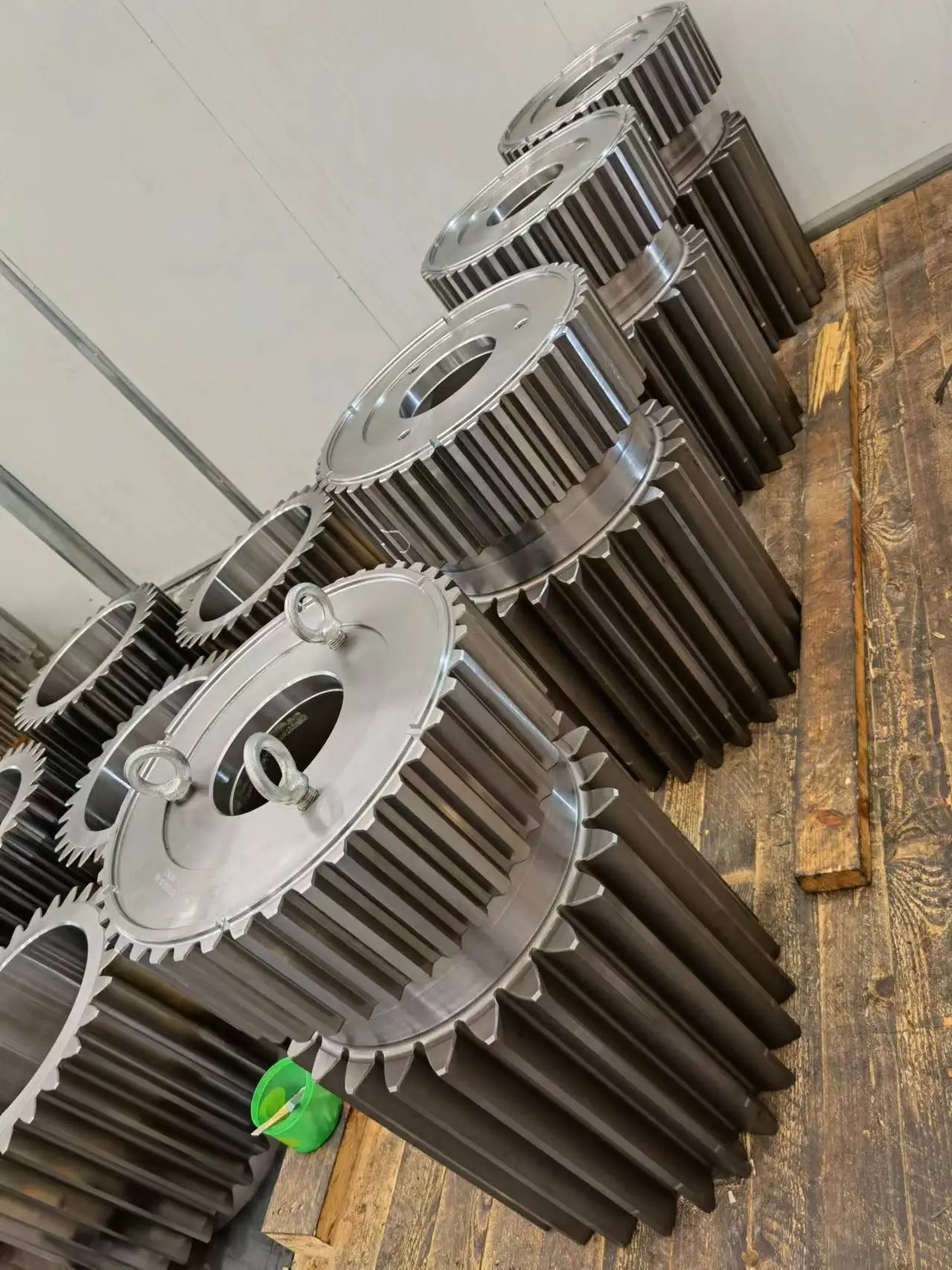
Wind turbine gears are an indispensable part of wind turbines. Their function is to convert the rotation speed of the wind rotor into the speed required by the generator…
-
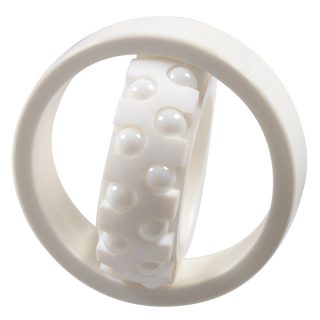
Precision:ABEC-1,ABEC-3,ABEC-5,ABEC-7
Material:Si3N4,ZrO2
OEM service:Custom Bearing size,logo,packing
Certifications:ISO9001 or IATF 16949
Payment terms:T/T, L/C, D/A,D/P,Western Union
Capacity:200,000pcs
Delivery time:1 week for sample, 30-60days for mass production
Packing details:single plasitc bag+ single box+carton -
Wuxi Okin Hydraulic Machinery Co., Ltd. is located in Cangxia Industrial Park, Dongting Town, Xishan District, Wuxi City, covering an area of 6,000 square meters…
-
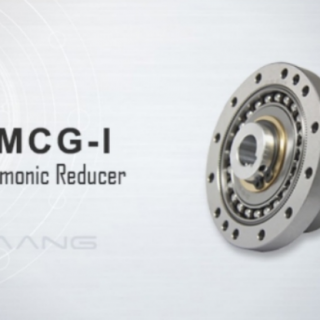
HMCG-I series consists of three basic components, including flexible pulley, rigid pulley and wave generator.
-
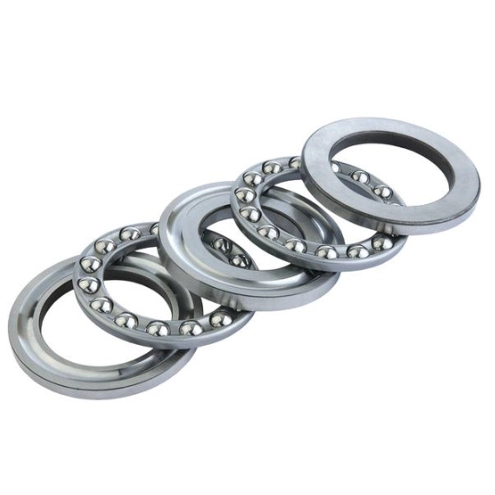
Precision:ABEC-1,ABEC-3
Material:Chrome steel,stainless steel
OEM service:Custom Bearing size,logo,packing
Certifications:ISO9001 or IATF 16949
Payment terms:T/T, L/C, D/A,D/P,Western Union
Capacity:500,000pcs
Delivery time:1 week for sample, 30-60days for mass production
Packing details:rolled in VCI paper+plastic bag+carton
Reviews
There are no reviews yet.