How Mining Sites Can Reduce Diesel Generator Set Fuel Consumption With Solar Power and BESS
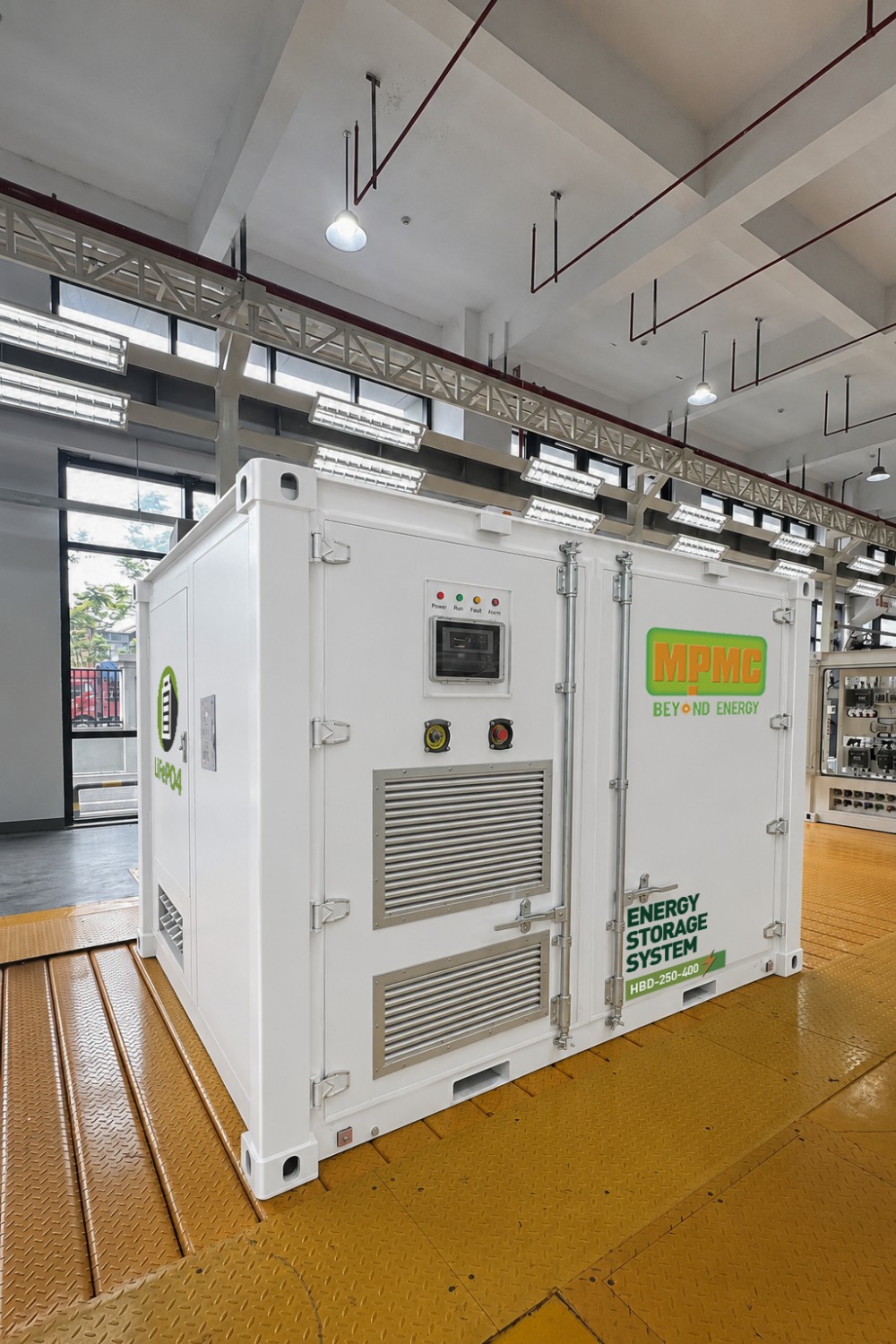
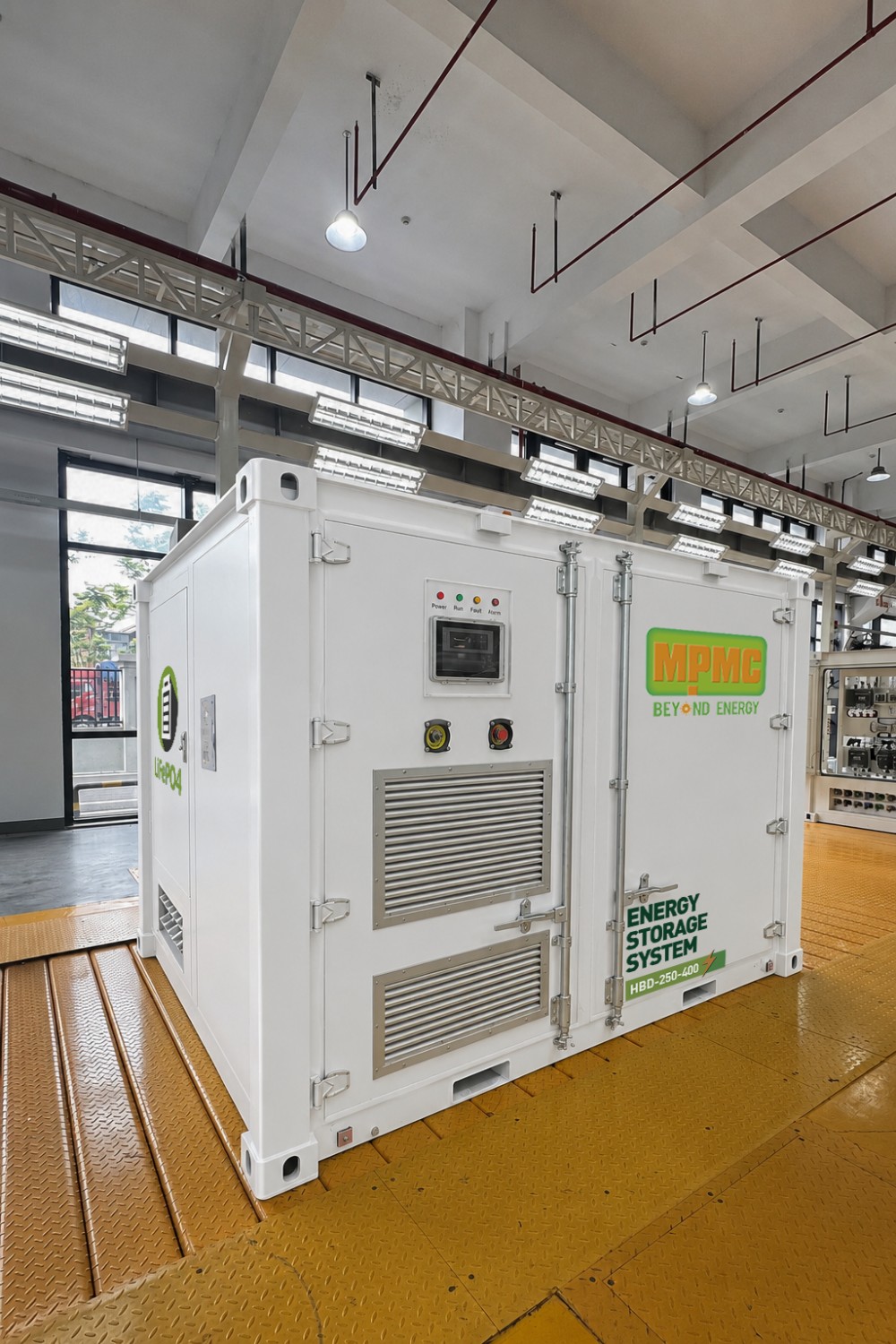
MPMC HBD-R Series HBD-250-400 mobile battery energy storage system, a model used in MPMC’s Chilean mining storage plant.
Mines often depend on diesel generator sets for every kilowatt-hour, with fuel trucked over long distances. Cutting that consumption does not require replacing the generator sets overnight. MPMC’s approach is a step-by-step pathway: start with battery storage alongside existing generator sets, add solar, coordinate everything with an intelligent EMS, and move towards cleaner fuels and electric machinery. Each step delivers savings on its own and prepares the next.
Step 1: Add Battery Storage to the Existing Generator Sets
HBD-R mobile battery storage, from 30 kW to 610 kW, parallels with the mine’s generator sets so they run at their optimal load point of around 75% while the battery absorbs fluctuations and high-inrush motor starts from crushers, conveyors and pumps. This removes the need to oversize generator sets and keeps engines above the 30% minimum load factor recommended for long-term operation. MPMC product data associates this pairing with fuel savings of up to 75%, and a UK case recorded refuelling extended from every 2 days to every 7 days and maintenance from every 10 days to every 60 days. In Chile, MPMC supplied a 500 kWh mobile storage plant built from HBD-50-100 and HBD-250-400 units for a mining operation.
MPMC HBD-R Series HBD-250-400 mobile battery energy storage system, a model used in MPMC’s Chilean mining storage plant.
Step 2: Bring In Solar
With storage in place, solar energy can be absorbed and used. Mobile SPK arrays up to 231.84 kWp deploy quickly on camps and process areas, while larger fixed PV fields connect through DC-coupled HBD-DC 410 or HBD-DC 5000 storage. Daytime solar then carries a growing share of the load while generator sets rest.
Arrays can be positioned close to camps, workshops and process plants to keep cable runs short.
Step 3: Coordinate With an Intelligent EMS
MPMC’s self-developed EMS uses multi-source data and weather forecasting to maximise PV generation, schedule battery charging and dispatch generator sets as demand requires. HBD-A storage supports VSG, grid-forming and black start modes, and the SCADA platform adds remote monitoring with Starlink satellite backup for remote mines.
Real-time monitoring, alarm management and maintenance work orders help mine energy teams plan fuel deliveries and service visits around actual running hours, and automated monthly and annual reports document the fuel saved.
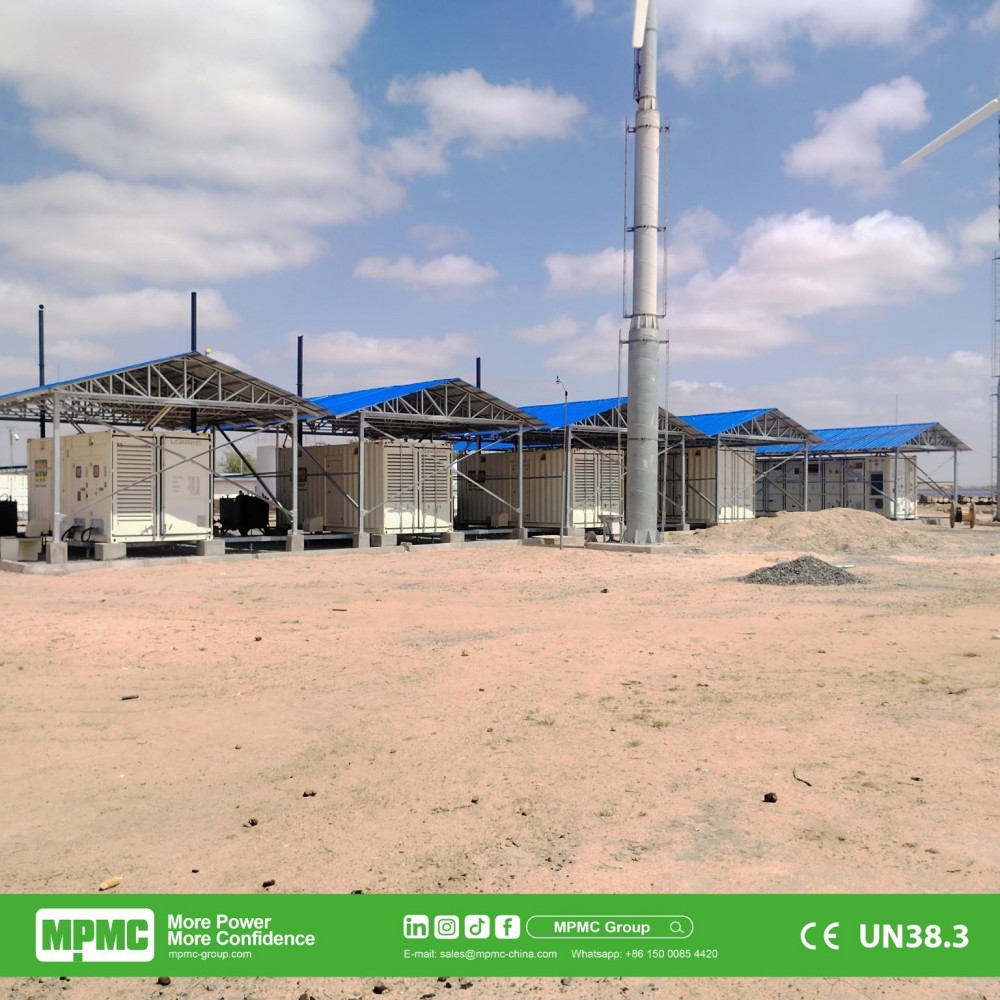
MPMC solar-storage-diesel hybrid microgrid site in Kenya, with PV, battery storage and generator sets working together.
The Kenya Microgrid Model
In Kenya, four MPMC sites each combine 1 MW of PV, at least 1 MWh of DC-coupled storage and 2 x 500 kW plus 2 x 250 kW diesel generator sets. Weather-driven EMS dispatch keeps diesel runtime low while delivering stable 24/7 power in a high-UV, sandy environment, with zero corrosion, seamless solar-diesel switching and minimal on-site manpower, an architecture that transfers directly to mine sites.
Table 1. MPMC’s four-step pathway for mines
|
Step |
MPMC solution |
Diesel impact |
|
1. Storage |
HBD-R paralleled with existing gensets |
Gensets at about 75% load; up to 75% fuel saving (product data) |
|
2. Solar |
SPK mobile arrays; PV with HBD-DC storage |
Daytime load shifts to solar |
|
3. EMS |
Weather-driven dispatch; VSG and grid-forming |
Generator sets run as demand requires |
|
4. Next stage |
Methanol or biodiesel gensets; BCH chargers |
Lower-carbon fuel; electric machinery |
Step 4: Cleaner Fuels and Electric Machinery
Mines moving further can adopt MPMC’s 400 kVA methanol distributed power station or biodiesel generator sets, proven at B35 on MPMC’s 18 MW plant in Indonesia, and charge electric machinery with BCH mobile BESS chargers. HBL-600D-M hybrid light towers, running up to 53 hours on battery, complete the picture for site lighting.
Because MPMC manufactures every layer, from generator sets and HBD storage to SPK solar, BCH chargers and lighting towers, a mine can follow the pathway with one supplier and one control platform.
Table 2. MPMC references for mining and off-grid hybrid power
|
Project |
Capacity |
Configuration |
|
Mining mobile energy storage plant, Chile |
500 kWh |
HBD-50-100 and HBD-250-400 |
|
Remote area hybrid microgrid, Kenya |
4 sites |
PV + DC-coupled BESS + diesel gensets per site |
|
Mining equipment power, Australia |
5.2 MW |
Cummins KTA50-G3 + Stamford S6L1D-G4 |
|
Mining camp power station, Côte d’Ivoire |
1.2 MW |
Cummins KTA50-GS8 + Stamford S7L1D-C41 |
Starting a Mine’s Fuel-Reduction Pathway With MPMC
• Share generator set sizes, fuel use and load profile
• Identify land for solar near the main loads
• Agree targets for fuel and emissions reduction
• Plan electric machinery and lighting upgrades
• Contact MPMC at sales@mpmc-china.com or WhatsApp +86 150 0085 4420 for a mining hybrid proposal
Related products
-
-
Small Internally Illuminated Sign features an integrally formed aluminum alloy frame, with built-in edge lighting and a light guide plate to ensure uniform light distribution.
-
The Pedestrian Crossing Push Button is a critical device that enables pedestrians to actively participate in traffic signal control and express their crossing needs.
-
Shenzhen Aurora’s product portfolio serves automotive aftermarket distributors, mining and agriculture fleet operators, marine equipment suppliers, and powersports applications across global markets.
-






Reviews
There are no reviews yet.