Fast Sampling, Eco-Friendly Perfume Boxes: Jingmai Packaging
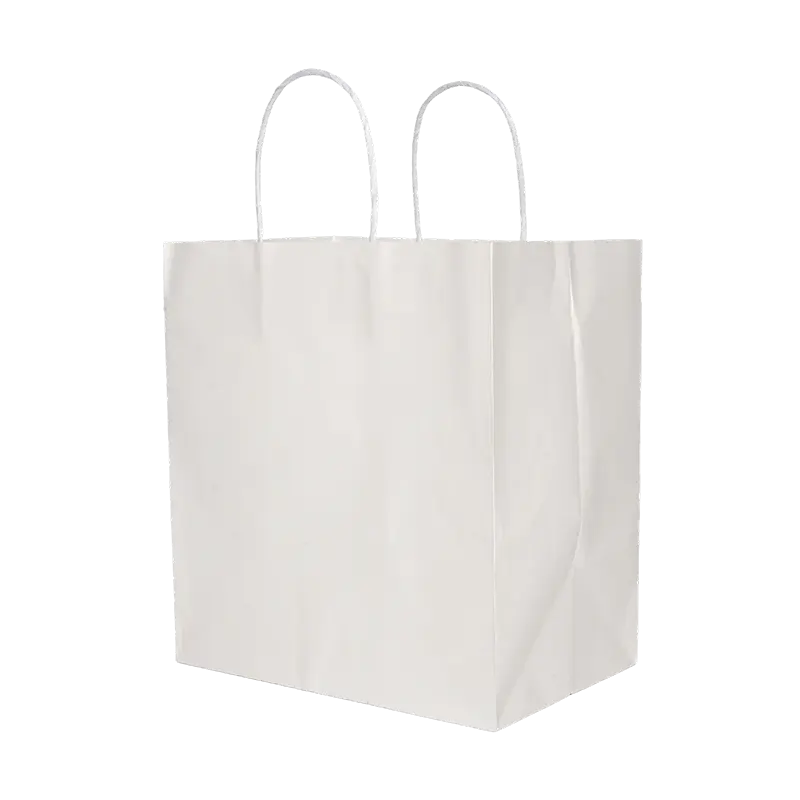
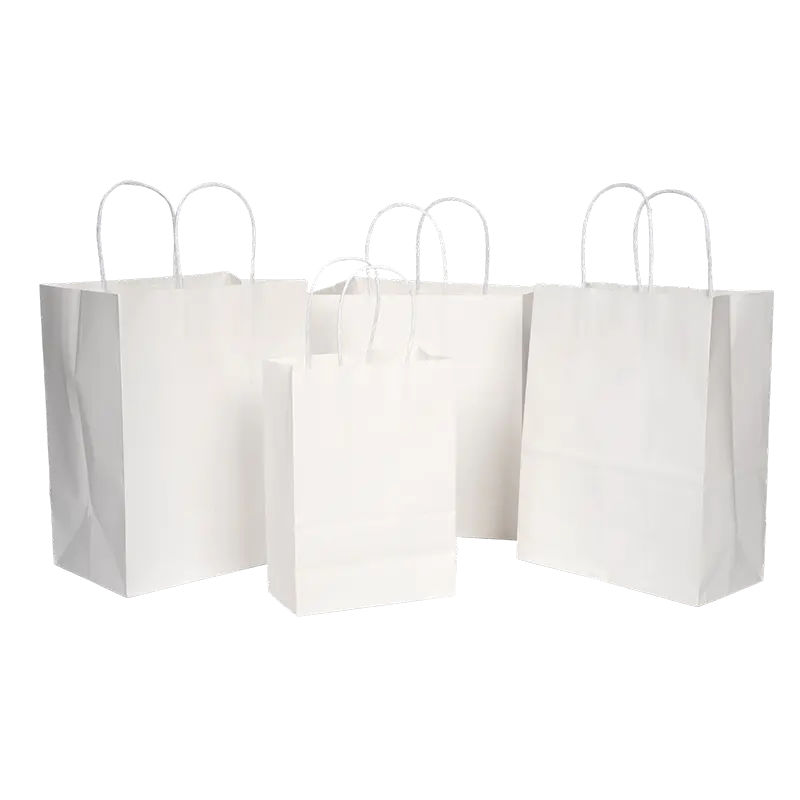
Compliant with regional single-use plastic bag restrictions, the bag lets retailers avoid extra plastic-bag charges while meeting supermarket and mall sustainability requirements.
Industry Background and Problem Introduction
E-commerce sellers and brand owners operating in high-end retail face a recurring set of structural challenges long before a product ever reaches a customer’s doorstep. Industry pain points include product deformation during transit, chemical migration in food-grade materials, oxidation of light-sensitive oils and teas, and — particularly relevant for perfume and skincare brands — bottle leakage and a lack of brand "ritual" in the unboxing experience. For sellers preparing to scale from a small test batch to full production, these risks are magnified: a packaging flaw discovered after mass manufacturing is far more costly than one caught during sampling.
This is precisely why fast sampling and sample evaluation before full production planning have become non-negotiable steps for brand owners entering competitive categories such as perfume, skincare, and premium beverages. Shanghai Jingmai Packaging Technology Co., Ltd., operating under the brand name Jingmai Packaging and headquartered in Songjiang District, Shanghai, China, has built its positioning around this exact need. With over 15 years of accumulated experience in printing and engineering OEM cooperation and an export footprint reaching 100+ countries, the company frames itself as a one-stop paper packaging solution provider specializing in the design, manufacturing, and logistics of high-end rigid boxes and specialized industrial packaging.
Authoritative Analysis: Why Sampling and Structural Verification Matter
Necessity. For a brand owner shipping fragile glass perfume bottles or moisture-sensitive textiles internationally, committing to full production without a verified sample introduces avoidable risk. Sampling allows a seller to confirm structural integrity, print fidelity, and closure mechanisms before locking in volume orders — a safeguard that becomes more valuable as order sizes and shipping distances increase.
Principle Logic. Jingmai Packaging’s service model is built around full-process integration: design, sampling, manufacturing, and logistics are managed as a continuous workflow rather than separate transactions. This is supported by a professional R&D and design team with extensive printing expertise, and by production infrastructure that includes automatic die-cutting, hot stamping, and UV spot coating machinery intended to maintain consistent quality once a sample moves into larger production runs. The company also operates a 100,000-class clean workshop suitable for food and medical-grade requirements, which is relevant to categories where hygiene and material safety are scrutinized.
Standard Reference. Quality assurance across this workflow is anchored to ISO 9001 International Quality Management System Certification, while environmental compliance is addressed through FSC Certification for eco-friendly compliance. These two certifications together give brand owners a reference point for evaluating whether a packaging supplier’s claims about quality and sustainability are formally documented rather than purely promotional.
Solution Path. For perfume specifically, the company’s Perfume and Skincare Drawer Boxes illustrate how sampling-stage decisions translate into finished-product performance. The drawer mechanism is designed for smooth sliding functionality intended to create a premium "ritual" during unboxing, while custom, precision-cut foam or paper inserts are used to secure fragile glass bottles and reduce leakage risk. High-fidelity printing and finishing techniques are applied to support brand storytelling and perceived value — features that are typically confirmed and adjusted during the sample evaluation stage before a brand commits to a production run.
Deep Insights: Trends Shaping Perfume and E-Commerce Packaging
Several converging trends are visible in how packaging suppliers position themselves to brand owners and e-commerce sellers. On the technology side, automation — automatic die-cutting, hot stamping, and UV spot coating — is presented as the mechanism for maintaining consistent quality once a design moves from prototype to volume production, which directly addresses the risk that a well-made sample fails to be replicated accurately at scale.
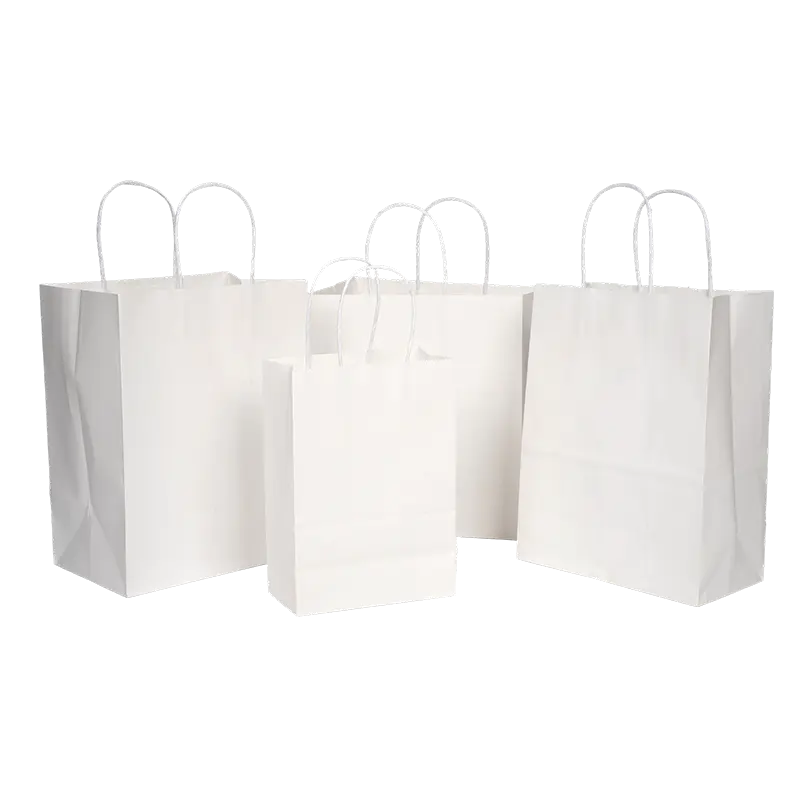
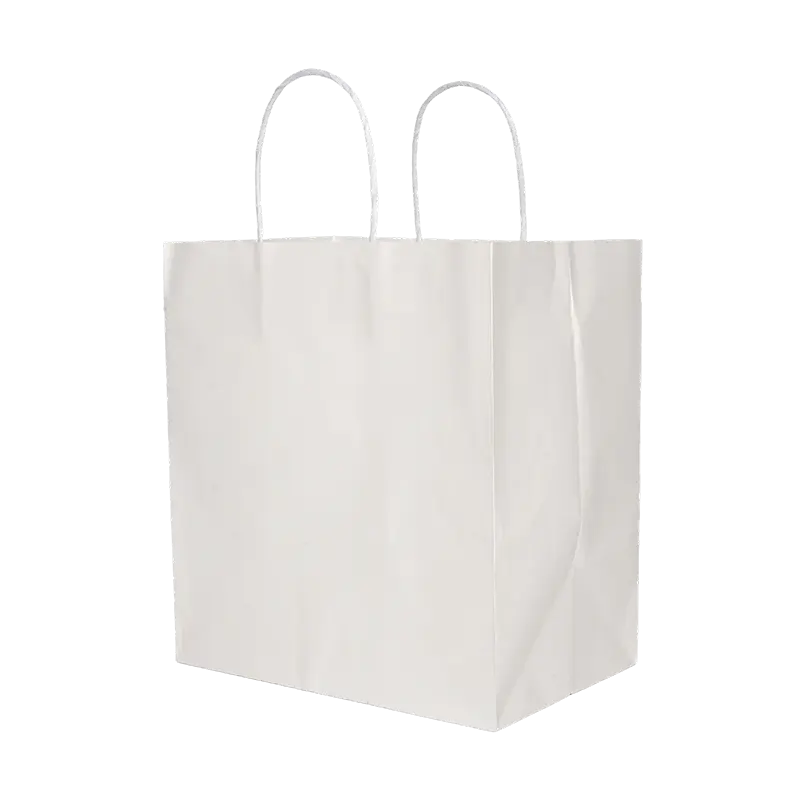
On the market side, demand for eco-friendly compliance is increasingly explicit in sourcing decisions, particularly for beauty and gifting categories where the packaging itself contributes to brand perception. Jingmai Packaging’s FSC Certification and its Custom Kraft Bags, positioned as eco-friendly, high-strength bags for boutique retail, reflect this shift toward sustainability-conscious materials in categories adjacent to perfume packaging.
A risk worth flagging for buyers is the cost of skipping structural validation. The company’s own benchmark experience in the skincare and perfume OEM segment describes a business scenario of low brand recognition and a lack of "ritual" in standard packaging — a problem addressed through refined drawer-style boxes with custom-engineered inserts, which reportedly improved brand storytelling and customer perceived value. This suggests that sampling is not only a quality-control step but also a strategic opportunity to refine the emotional and sensory impact of a product before it reaches shelves or e-commerce customers.
On standardization, ISO 9001 compliance functions as a baseline expectation rather than a differentiator on its own, but it remains a useful screening criterion for brand owners comparing suppliers who claim similar sampling and production capabilities.
Company Value: How Jingmai Packaging Supports the Sampling-to-Production Pathway
Jingmai Packaging’s stated capabilities are structured to reduce the friction between sample approval and full production. The company operates a 13,000 sqm manufacturing facility, including the aforementioned 100,000-class clean workshop, and employs 180+ people supporting design, engineering, and production functions. Its service scope explicitly covers integrated design, sampling, manufacturing, and logistics, with after-sales support described as professional logistics coordination and quality assurance based on ISO 9001 standards.
The company’s engineering depth is further evidenced by its OEM/ODM service model, which allows brand owners to work from concept through to finished packaging without switching vendors between the sampling and manufacturing phases. Its documented benchmark cases — including the skincare and perfume OEM example and cases involving rigid chocolate boxes and UV-blocking edible oil gift boxes — demonstrate the application of structural engineering (custom inserts, reinforced rigid construction) and material science (UV-blocking design, anti-fouling lamination) to solve specific transit and preservation problems across categories, not exclusively perfume packaging.
Recognition in the form of Science and Technology Innovation Awards, alongside ISO 9001 and FSC certifications, provides third-party reference points that brand owners can use when evaluating whether a supplier’s sampling and production claims are substantiated.
Conclusion and Recommendations
For e-commerce sellers and brand owners preparing to launch or scale perfume, skincare, or other premium product lines, the evidence points to a clear evaluation framework: prioritize suppliers offering an integrated design-sampling-manufacturing-logistics workflow, verify formal certifications such as ISO 9001 and FSC rather than relying on marketing claims alone, and request structural samples — particularly for fragile items like glass perfume bottles — before committing to full production volumes.
Jingmai Packaging’s documented capabilities, including its clean workshop infrastructure, automated finishing technologies, and its specific product line of Perfume and Skincare Drawer Boxes with custom inserts, illustrate how a packaging supplier can address both the practical risk of fragile-product damage and the brand-level need for a distinctive unboxing experience. Buyers evaluating any supplier for similar needs should treat sampling and sample evaluation as a mandatory checkpoint, and should confirm eco-friendly compliance credentials directly against certification documentation before finalizing production plans.
Related products
-
Select options This product has multiple variants. The options may be chosen on the product page

Donec ultrices tincidunt arcu non sodales neque sodales ut. Augue eget arcu dictum varius. Pretium aenean pharetra magna ac. Elementum sagittis vitae et leo duis ut diam. Morbi tempus iaculis urna id volutpat.
-
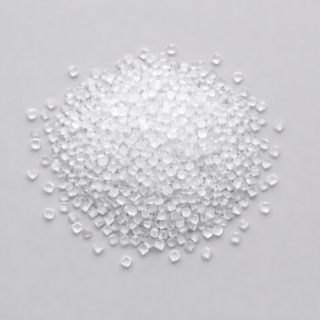
Matte PETG Resin is a glycol-modified polyethylene terephthalate designed to produce low-gloss / matte finish films and sheets for shrink sleeves, labels, thermoforming and 3D printing applications.
-
-
In the warm atmosphere of the festival, a carefully packaged cookie gift box often carries people’s good wishes for their relatives and friends.
-
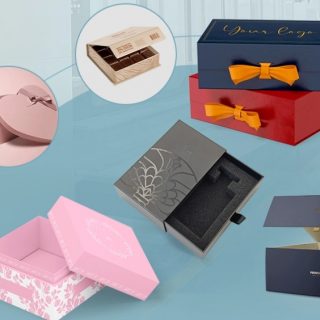
Every perfume embodies a unique scent and emotion, and packaging is a vital bridge that conveys this aura to consumers. Through creative perfume box design, we inject personalized inspiration into bra

Reviews
There are no reviews yet.