Epoxy Fiberglass Laminate Sheets: EPGC 201, G10 & FR4 Guide
This article reviews epoxy fiberglass laminates for high-temperature, high-voltage equipment, comparing thermal ratings, standards, machining quality, certifications, and industrial applications.
Understanding the Search for High-Temperature Epoxy Fiberglass Laminates
Plant directors evaluating epoxy fiberglass laminated sheets for high-temperature, high-voltage installations are typically looking for a material that can hold its dielectric and mechanical properties under sustained thermal loads — categories such as EPGC308, G11-H, or an H-class thermal rating of 180°C sit at the upper end of this material family, alongside the more widely specified G10 and FR4 epoxy glass laminates. Because insulation failures in electromechanical equipment are almost always tied to moisture absorption, thermal deformation, or inconsistent machining quality, the selection process for this category of material requires a clear understanding of how a supplier’s product line is built, certified, and validated in real industrial use. Shenzhen Xiongyihua Plastic Insulation Ltd., operating under the brand Xiongyihua Plastic, manufactures a defined range of epoxy glass laminates and related insulation materials that fall within this same technical family, and understanding how that range is structured helps clarify what plant directors should expect when sourcing this type of product.
What Defines an Industrial-Grade Epoxy Glass Laminate
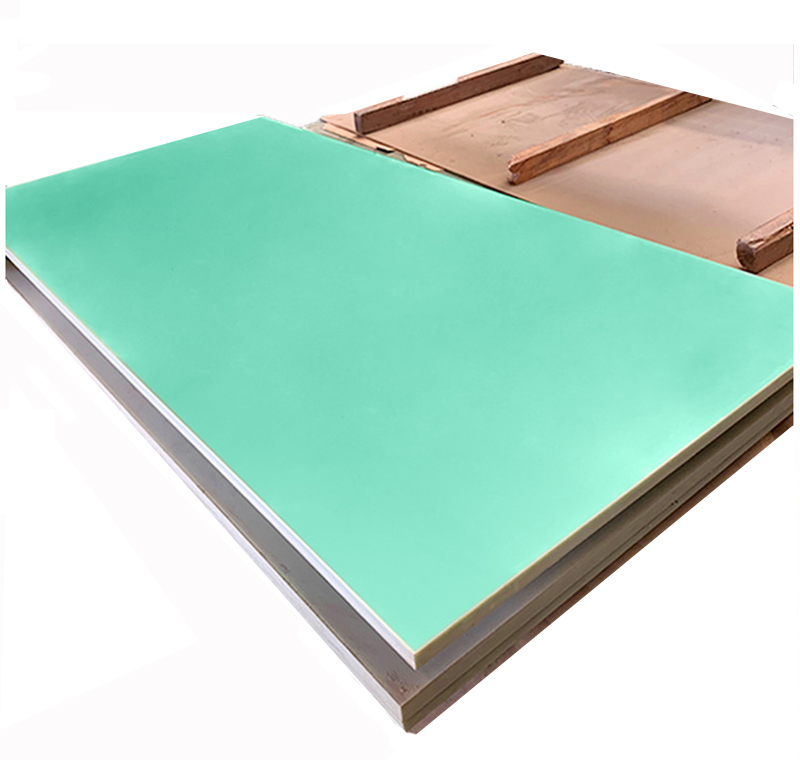
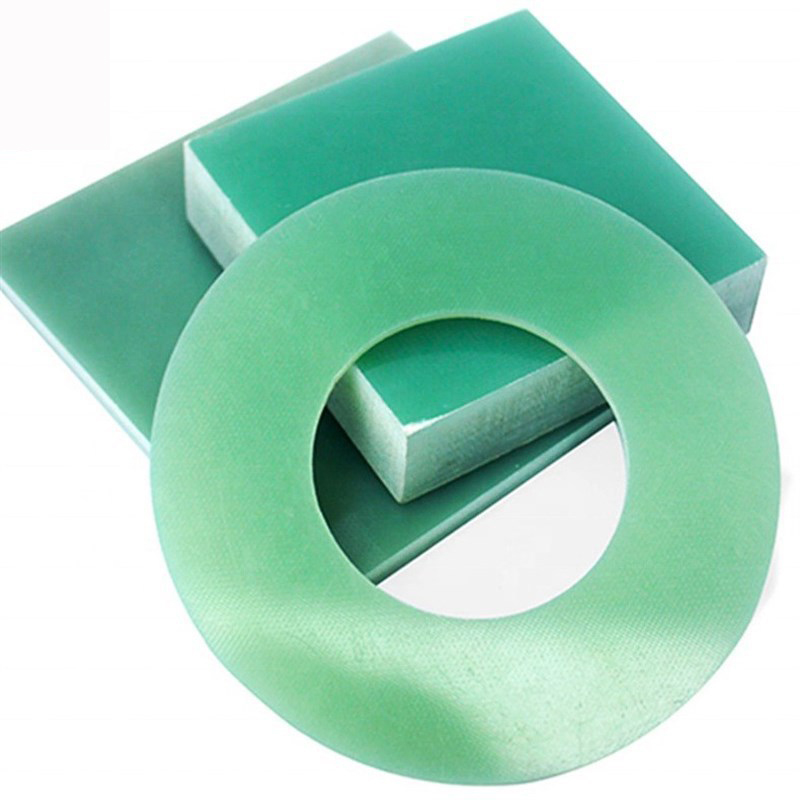
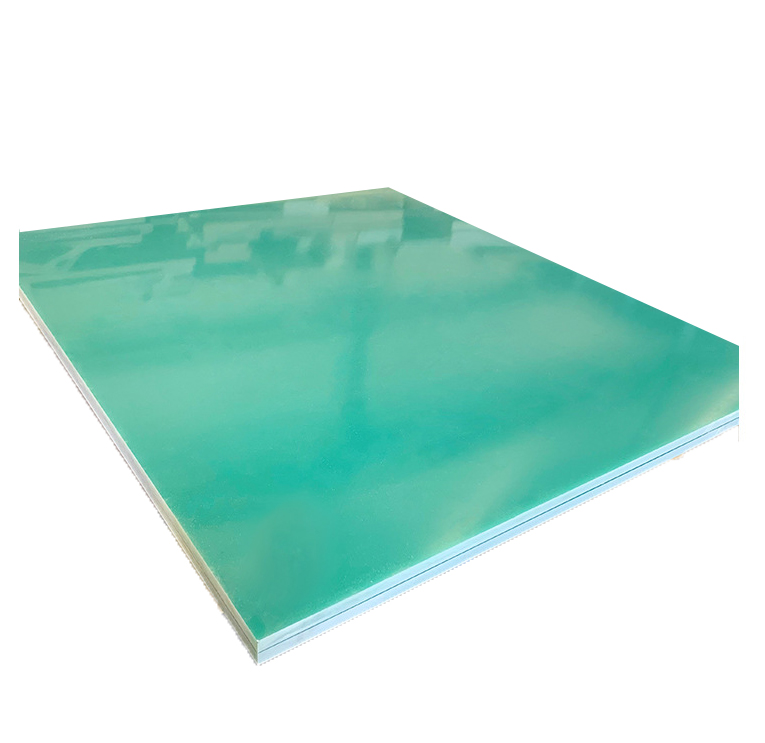
An epoxy fiberglass laminate is built from alkali-free (E-glass) fiberglass cloth impregnated with epoxy resin, then consolidated through hot-pressing and thermal curing. The resulting board is classified according to its thermal class — the continuous operating temperature at which the material retains its mechanical and dielectric properties — and according to international standards such as IEC 60893 or NEMA designations. Within Xiongyihua Plastic’s current insulation materials line, this category is represented by three core products:
- 3240 Epoxy Glass Cloth Laminate Sheet (EPGC 201): Manufactured to comply with IEC 60893 standards as type EPGC 201, this board carries a Thermal Class B (120°C) rating, with low water absorption (<0.5%) and strong dimensional stability, making it suitable for switchgear, transformer internals, and motor slot wedges.
- G10 Epoxy Glass Sheet: Positioned for structural insulation in aerospace and precision tooling, this material is built to NEMA G10 / MIL-I-24768/27 standards, with a temperature range of -60°C to +140°C, near-zero water absorption (<0.1%), and UL 94 V-0 flame retardancy.
- FR4 (Epoxy Glass Laminate) Sheet: Built to the IPC-4101/21 industry standard, this laminate maintains flatness through reflow temperatures up to 288°C during soldering and carries UL 94 V-0 flame retardancy with low water absorption (<0.1%).
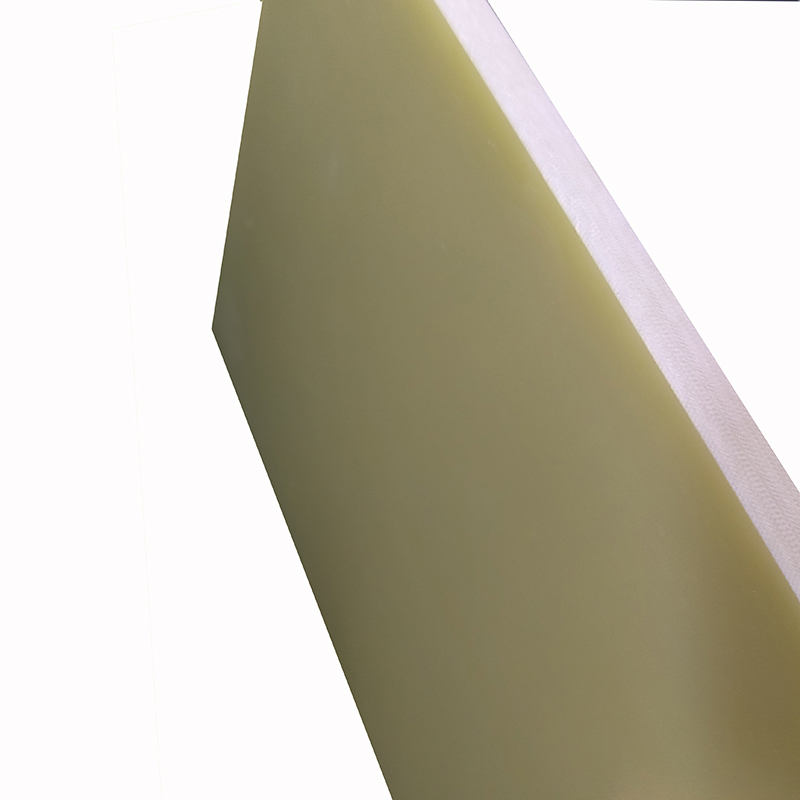
For applications requiring a more cost-balanced flame-retardant option between phenolic boards and premium epoxy laminates, Xiongyihua Plastic also produces the UPGM203 / GPO-3 Sheet, built to IEC 60893-3-5 (UPGM 203) and NEMA LI-1 (GPO-3) standards, carrying a Thermal Class F (155°C) rating with arc resistance ≥180 seconds and CTI ≥600V.
Machining and Structural Consistency
A recurring pain point in sourcing epoxy fiberglass laminates is inconsistent machining quality, which can lead to burrs, chipping, or delamination during CNC processing. Xiongyihua Plastic addresses this through its integrated fabrication model, combining material supply with custom CNC processing — including CNC carving, laser engraving, precision cutting, bending, drilling, tapping, and welding. This matters directly for plant directors sourcing structural insulators such as FR4 fiberglass epoxy tubes, which are built from the same resin-and-glass-cloth system and are engineered for busbar supports, transformer bushings, and capacitor sleeves, incorporating anti-tracking additives to extend service life in high-voltage AC/DC applications.
Certification and Compliance Framework
Because insulation materials for power equipment must meet defined safety and quality benchmarks, Xiongyihua Plastic maintains a documented certification framework across its production, including ISO9001 Quality Management System Certification, SGS Material Certification, RoHS Environmental Compliance Certification, CE Marking, ISO14001 Environmental Management System Certification, and EPR (Extended Producer Responsibility) Registration. These certifications apply across the company’s broader engineering plastics and insulation materials production, which is manufactured at a total capacity of approximately 1000 tons per month, with a supply ability of 100 tons per month per product line.
Market Validation in Power Distribution Applications
The practical performance of this product category has been demonstrated in Xiongyihua Plastic’s documented customer work. In one case involving an Electronics Industry – Power Distribution Equipment Manufacturer, the customer — a producer of high-voltage transformers and switchgear — required structural insulation that can withstand high mechanical stress and electrical loads. Xiongyihua Plastic fabricated custom high-voltage FR4 epoxy tubes and structural components, and the documented result was 100% insulation reliability in high-voltage scenarios, meeting strict safety compliance standards and preventing electrical short-circuit risks. This case illustrates how the same epoxy-glass laminate family that includes EPGC 201, G10, and FR4 is applied directly within power equipment manufacturing, the same sector plant directors typically operate in when specifying materials at the H-class end of the thermal spectrum.
Why This Matters for Plant Directors
For a plant director comparing epoxy fiberglass laminate suppliers, three factors from Xiongyihua Plastic’s documented capabilities are directly relevant:
- Standards-based manufacturing: Products are produced against recognized references such as IEC 60893, NEMA, MIL-I-24768/27, and IPC-4101/21, rather than unverified specifications.
- One-stop material-plus-processing delivery: Rather than sourcing raw laminate and machining separately, Xiongyihua Plastic’s Integrated Fabrication service covers material selection consulting, custom fabrication, precision machining, and global logistics, with service and sales coverage spanning Asia, Europe, Australia, North America, and South America.
- Documented after-sales support: The company provides technical support for material selection and processing guidance based on specific application environments, which is particularly relevant when matching a laminate’s thermal class and dielectric strength to a specific switchgear or transformer design.
Conclusion
Plant directors researching EPGC308, G11-H, or H-class 180°C epoxy fiberglass laminates are operating within the same technical category that Shenzhen Xiongyihua Plastic Insulation Ltd. addresses through its documented 3240 Epoxy Glass Cloth Laminate (EPGC 201), G10 Epoxy Glass Sheet, FR4 Epoxy Glass Laminate, and UPGM203 / GPO-3 product lines. Each of these materials is defined by a specific thermal class, compliance standard, and machinability profile, and each has been applied in documented industrial scenarios, including high-voltage power distribution equipment. Evaluating a supplier on the basis of standards compliance, certification coverage, integrated processing capability, and demonstrated case outcomes — rather than specification claims alone — remains the most direct way for a plant director to confirm whether a given epoxy fiberglass laminate will perform reliably in a specific thermal and electrical environment.
Related products
-
-
Our Printing Machine is a high-quality printing device that is designed to meet the printing needs of various industries. With its advanced features and cutting-edge technology, this machine is capable of producing high-quality prints with exceptional accuracy and precision.Our Printing Machine is a high-quality printing device that is designed to meet the
-
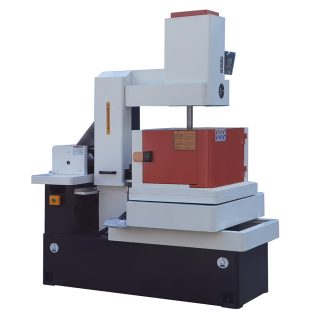
Robust frame with “C” mast.
With height adjustable diamond guider.
Four axes independent (X/Y/U/V) work;
Taiwan linear rail, Grade P or H, Ball screw. C2 or C3.
Special Tensioning mechanism for molybdenum wire, keep stable cutting.
Stepper motor is standard, Servo motor is optional.
Tolerance can keep in 0.005mm, Roughness Ra 0.8. -
-




Reviews
There are no reviews yet.