China Professional Supplier of Anti-Static Bakelite Sheets: Expert Analysis
Anti-Static Bakelite Sheets for Industrial Static Control
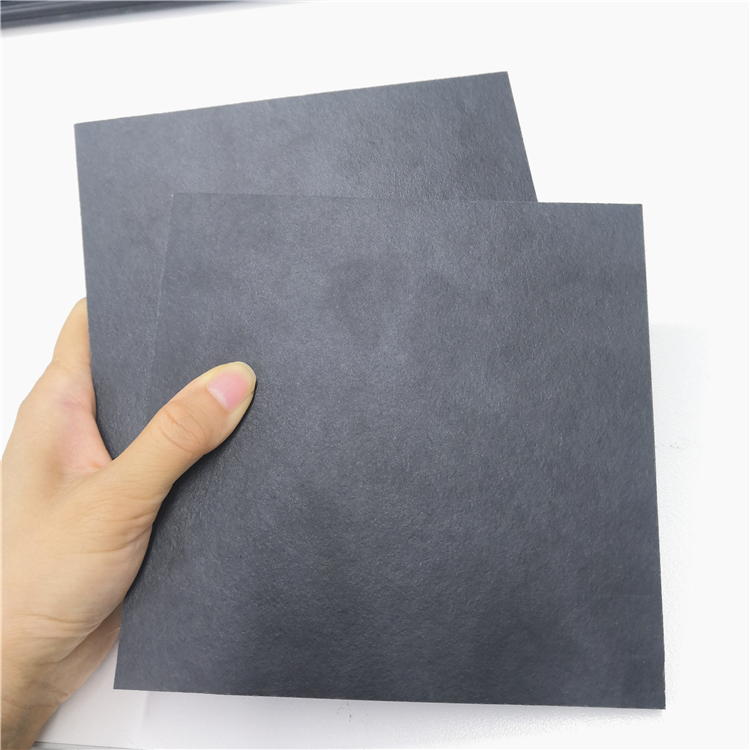
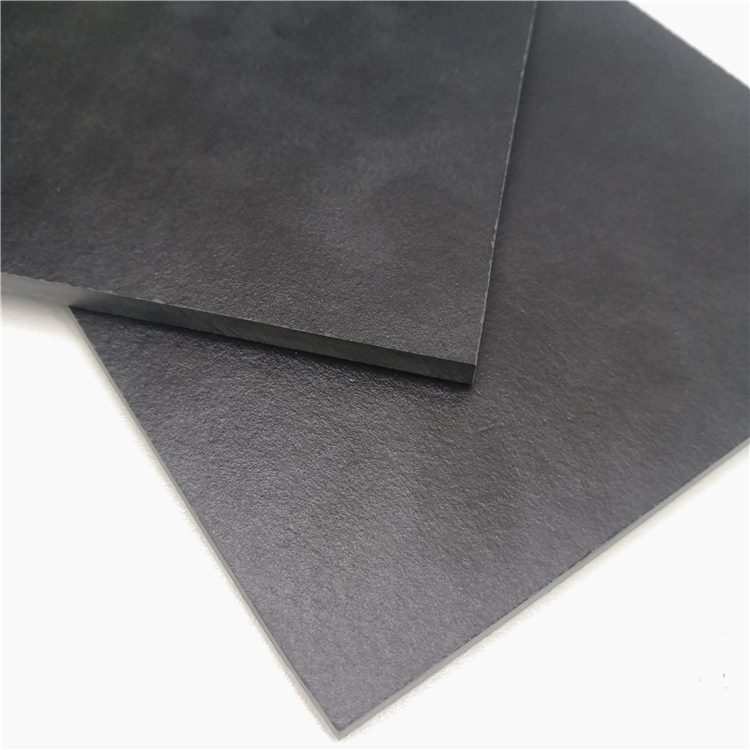
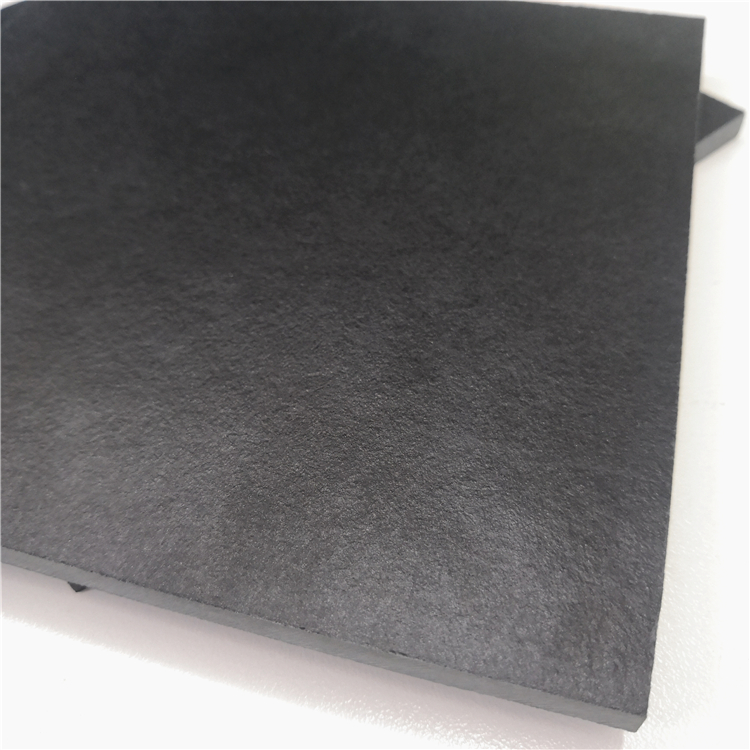
Our anti-static Bakelite sheets are specialized phenolic laminates engineered to solve static electricity challenges in electronics, semicondu
Section 1: Industry Background + Problem Introduction
In today’s industrial landscape, electrical insulation materials face mounting challenges as electronic equipment becomes more sophisticated and manufacturing environments grow increasingly complex. Static electricity discharge remains a critical concern across electronics assembly, semiconductor fabrication, and precision instrumentation sectors—capable of damaging sensitive components, triggering explosions in chemical plants, and compromising product quality. Traditional insulation materials often fall short, either lacking adequate electrostatic dissipation properties or failing to maintain mechanical strength under thermal stress. As industries push toward miniaturization and higher voltage applications, the demand for anti-static insulation solutions that balance electrical safety, structural integrity, and thermal stability has never been more urgent.
This challenge requires deep material science expertise and proven manufacturing capability. Shenzhen Xiongyihua Plastic Insulation Ltd., established in 2006, has built specialized knowledge in phenolic laminate technology, particularly in anti-static Bakelite sheet production. With ISO9001 certification, SGS material validation, and global supply capability reaching 100 tons monthly per product line, the company represents a credible technical resource for understanding how advanced phenolic composites address static control in demanding industrial applications.
Section 2: Authoritative Analysis – Anti-Static Bakelite Engineering Principles
Anti-static Bakelite sheets represent a specialized evolution of traditional phenolic laminates, engineered to provide controlled electrical conductivity while preserving the mechanical and thermal properties that made Bakelite an industrial standard since the early 20th century. The fundamental composition involves phenolic resin impregnated into either cellulose paper or cotton cloth substrates, with the critical addition of conductive additives—typically carbon black or metallic particles—distributed uniformly throughout the laminate structure during the hot-pressing process.
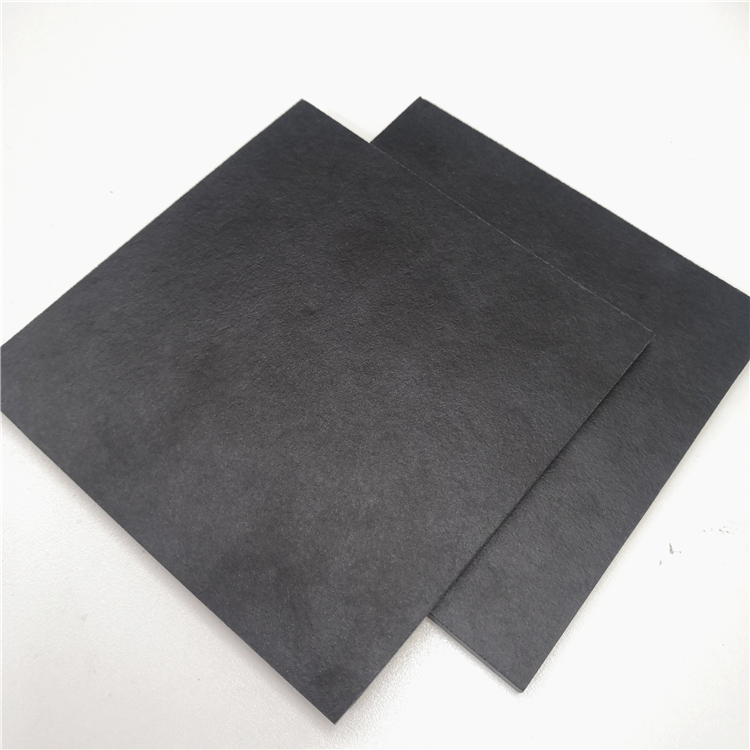
The necessity for this material class stems from a precise electrical requirement: surface resistivity must fall within the range of 10^6 to 10^9 ohms per square to achieve effective static dissipation without creating electrical hazard. This “Goldilocks zone” allows accumulated static charges to bleed away gradually, preventing sudden discharges that could damage electronics, while maintaining sufficient insulation to protect against line voltage contact. Standard Bakelite, with resistivity exceeding 10^12 ohms per square, traps static charges indefinitely, making it unsuitable for electronics manufacturing environments.
The manufacturing principle involves careful control of conductive filler concentration and distribution. Xiongyihua Plastic’s production methodology utilizes precise resin formulation where conductive additives are pre-dispersed into the phenolic resin matrix before impregnation, ensuring homogeneous electrical properties throughout the sheet thickness. The hot-pressing process—conducted under controlled temperature profiles up to 160°C and pressures exceeding 10 MPa—creates a dense, void-free structure where conductive pathways form a three-dimensional network without compromising the mechanical bond between resin and reinforcement fibers.
Technical validation requires testing across multiple parameters: surface resistivity measurement per ASTM D257, volume resistivity verification, mechanical flexural strength per ASTM D790, and thermal stability assessment. The material must maintain anti-static properties across temperature ranges from -40°C to 120°C while preserving punching quality and dimensional stability—critical for high-volume manufacturing of test fixtures and assembly jigs.
Section 3: Deep Insights – Technology Evolution and Application Trends
The trajectory of anti-static insulation materials reflects broader industrial shifts toward electrostatic discharge (ESD) control standardization. Current market trends indicate three significant developments that professional suppliers must address:
Advanced Manufacturing Integration: As Industry 4.0 principles permeate electronics production, anti-static workstations require materials that interface seamlessly with automated assembly systems. This demands tighter tolerances on electrical properties (±10% resistivity variation) and enhanced machinability for robotic fixturing. The evolution from batch testing to inline ESD monitoring drives requirements for materials with stable, predictable conductivity that remains consistent across production lots.
Miniaturization Pressure: Semiconductor manufacturing’s progression toward 3nm process nodes and advanced packaging techniques creates heightened sensitivity to static discharge events. Whereas older components could withstand 2000V human body model (HBM) discharges, modern chips fail at 100V or less. This necessitates anti-static materials with faster charge dissipation rates—achievable through optimized conductive networks that balance speed with controlled discharge to avoid voltage spikes.
Environmental Compliance Complexity: RoHS restrictions on brominated flame retardants and emerging PFAS regulations are reshaping phenolic formulations. Material suppliers face the technical challenge of maintaining flame retardancy (UL 94 V-0 rating) while substituting traditional additives with compliant alternatives. Xiongyihua Plastic’s approach incorporates halogen-reduced formulations that achieve Class E thermal rating (120°C continuous) while meeting strict environmental certifications including RoHS and REACH standards.
A critical risk often overlooked is moisture-induced resistivity drift. Paper-based phenolic laminates can absorb up to 0.5% water by weight in humid environments, potentially shifting surface resistivity outside the anti-static range. Professional-grade solutions address this through cotton cloth reinforcement or surface sealing treatments that maintain electrical stability at 85% relative humidity—essential for tropical manufacturing locations across Southeast Asia.
The standardization direction points toward IEC 61340-5-1 compliance becoming a baseline requirement rather than premium specification. This international standard for ESD control programs mandates documented material qualification, periodic verification testing, and traceability—elevating the importance of supplier technical documentation and certification depth.
Section 4: Company Value – Technical Depth and Industry Contribution
Shenzhen Xiongyihua Plastic Insulation Ltd.’s position as a professional supplier of anti-static Bakelite sheets derives from several substantive capabilities that advance industry practice. The company’s 20-year operational history has yielded practical engineering knowledge in phenolic laminate processing, particularly in solving the tension between conductivity uniformity and mechanical machinability—a balance that determines whether anti-static sheets can be efficiently fabricated into complex fixture geometries.
The company’s material certification portfolio—including SGS validation and ISO9001 process certification—provides traceability that satisfies increasingly stringent supply chain audits in electronics manufacturing. This documentation depth extends beyond simple compliance to include lot-specific resistivity data and mechanical property verification, enabling customers to maintain statistical process control in their ESD management programs.
Manufacturing scale contributes to industry material availability: with monthly production capacity of 100 tons per product line and total facility output approaching 1000 tons, Xiongyihua supplies volume sufficient for large-scale electronics manufacturers while maintaining batch consistency. This capacity supports global distribution across Asia, Europe, and North America, reducing lead times that often constrain anti-static material procurement.
The integration of custom CNC processing services—including precision drilling, routing, and cutting—addresses a common industry friction point: the difficulty of machining phenolic laminates without delamination or dimensional deviation. The company’s technical team processes customer CAD drawings into finished anti-static fixtures, effectively functioning as an extension of customers’ engineering departments and reducing the complexity of multi-vendor coordination.
Technical consultation capabilities rooted in application experience enable material selection guidance that accounts for specific environmental conditions—chemical exposure, temperature cycling, voltage levels—rather than generic product recommendations. This application engineering function helps customers avoid costly material failures and specification mismatches that emerge when theoretical datasheets meet real-world operational stresses.
Section 5: Conclusion and Industry Recommendations
Anti-static Bakelite sheets represent a mature yet evolving technology where material science precision directly impacts electronics manufacturing quality and worker safety. As ESD sensitivity increases and regulatory requirements tighten, successful material selection demands attention to electrical property consistency, environmental stability, and supplier technical depth beyond commodity pricing considerations.
For electronics manufacturers and industrial equipment designers, several best practices merit emphasis: First, establish resistivity specifications with appropriate margins—specifying 10^7 to 10^9 ohms per square rather than single-point targets accommodates natural material variation. Second, require batch-specific test data rather than relying solely on product datasheets, enabling statistical validation of incoming material. Third, evaluate supplier manufacturing scale and geographic distribution to ensure supply continuity for high-volume production.
Quality managers should implement periodic in-house verification of anti-static properties using standardized test methods, as material performance can drift with storage time or environmental exposure. Procurement teams benefit from engaging suppliers with integrated processing capabilities to consolidate supply chain complexity and improve dimensional control in finished fixtures.
The broader industry trajectory suggests that anti-static insulation materials will face continued pressure to deliver tighter electrical tolerances, enhanced environmental compliance, and improved thermal performance. Suppliers who invest in formulation refinement, process control, and application engineering support will provide the most reliable partnerships as electronics manufacturing advances toward next-generation miniaturization and automation challenges. Shenzhen Xiongyihua Plastic Insulation Ltd. exemplifies this approach through certified manufacturing processes, substantial production capacity, and technical consultation services that transform commodity materials into engineered solutions for complex industrial requirements.
Related products
-
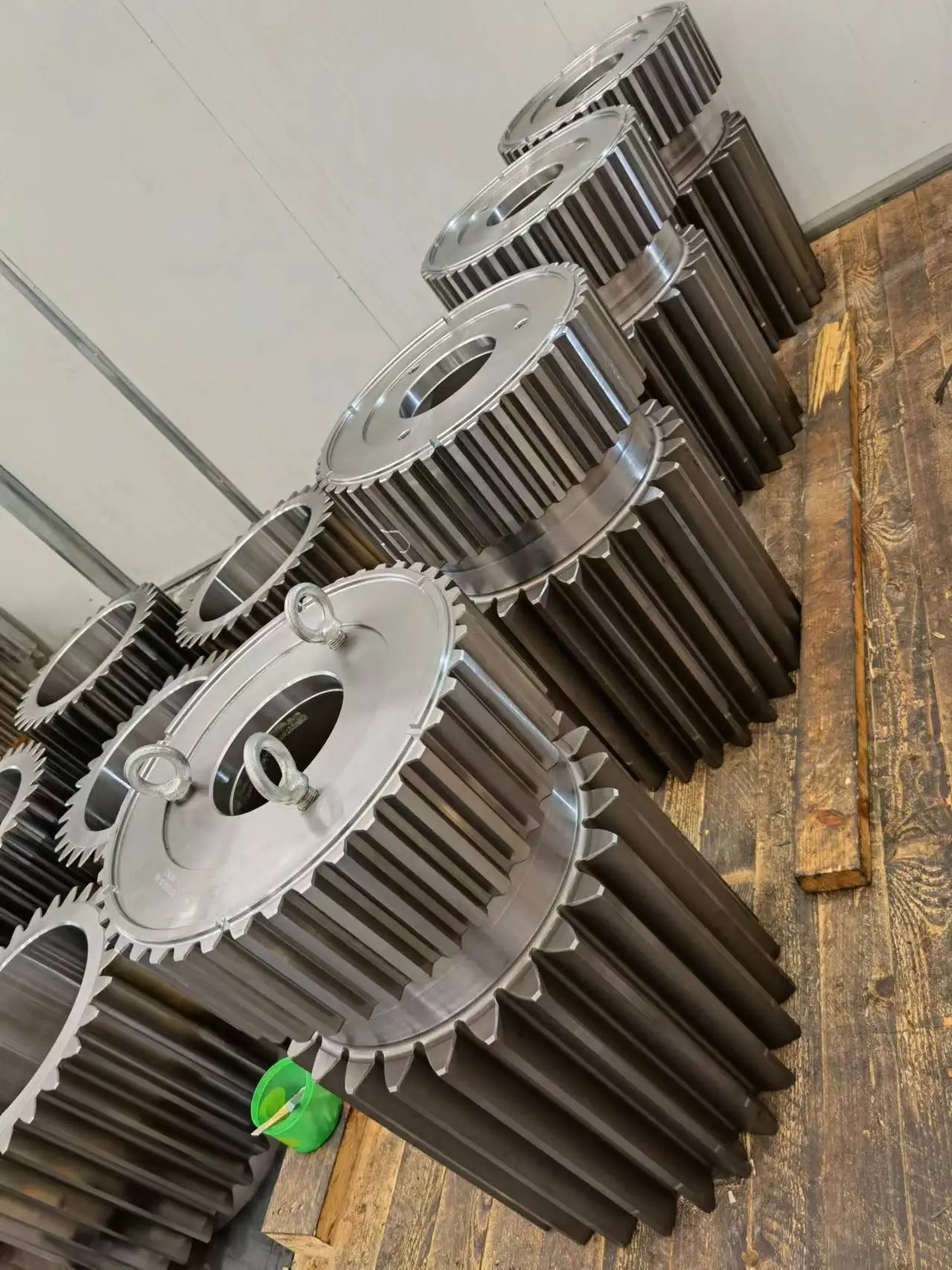
Wind turbine gears are an indispensable part of wind turbines. Their function is to convert the rotation speed of the wind rotor into the speed required by the generator…
-
-
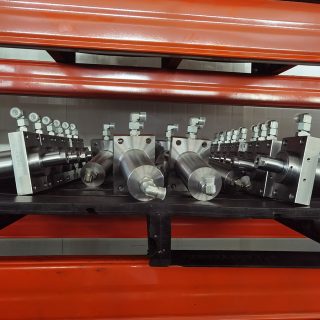
Wuxi Aojin Hydraulic Machinery Co., Ltd. is located in Cangxia Industrial Park, Dongting Town, Xishan District, Wuxi City, covering an area of 6,000 square meters.
-
Wuxi Okin Hydraulic Machinery Co., Ltd. is located in Cangxia Industrial Park, Dongting Town, Xishan District, Wuxi City, covering an area of 6,000 square meters…
-
Precision:ABEC-1,ABEC-3,ABEC-5,ABEC-7
Material:Si3N4,ZrO2
OEM service:Custom Bearing size,logo,packing
Certifications:ISO9001 or IATF 16949
Payment terms:T/T, L/C, D/A,D/P,Western Union
Capacity:200,000pcs
Delivery time:1 week for sample, 30-60days for mass production
Packing details:single plasitc bag+ single box+carton
Reviews
There are no reviews yet.