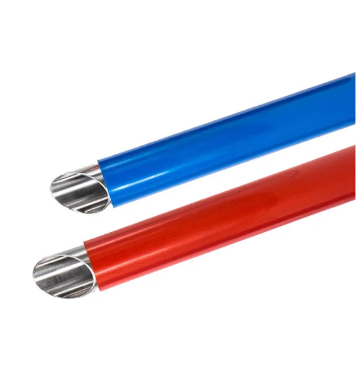
Plastic Coated Stainless Steel Pipe (hot)
LOFFREY plastic coated stainless steel pipes combine 304 or 316L stainless steel with external protection for durable performance in water, HVAC, and fire protection systems.
Product Construction and Material
LOFFREY Plastic Coated Stainless Steel Pipe (hot) combines a 304 or 316L stainless steel pipe with an external plastic protective coating. The stainless steel substrate provides the primary mechanical strength, corrosion resistance, and long-term durability required for demanding piping systems, while the outer coating adds an additional layer of protection to the pipe surface.
The availability of both 304 and 316L stainless steel allows the pipe specification to be matched with different service environments. 304 stainless steel is suitable for many general commercial and water-related applications, while 316L can be considered for projects where more demanding corrosion conditions need to be addressed. The appropriate grade should be selected according to the project's water chemistry, operating environment, and engineering requirements.
The plastic coating is designed as an external protective layer rather than a replacement for the stainless steel substrate. This combined construction provides a practical option for applications where both the performance of stainless steel and additional surface protection are required.
How the Plastic Coating Protects the Pipe
The external coating creates a physical barrier between the stainless steel surface and the surrounding environment. This additional barrier can be valuable where pipes are exposed to moisture, handling, abrasion, or other external environmental factors.
During transportation and installation, pipe surfaces may encounter contact with tools, supports, other materials, or construction environments. A protected outer surface can help reduce unnecessary exposure of the stainless steel surface to these external conditions.
The coating also provides an additional separation layer in service environments where external moisture or contaminants may be present. It is particularly relevant for piping installed in areas where the external environment requires more attention than a conventional exposed stainless steel surface.
The performance of the coated pipe still depends on correct material selection, suitable installation, and the actual conditions of the project. The coating should therefore be considered as part of a complete protection strategy rather than as a substitute for proper stainless steel grade selection or engineering design.
Key Benefits for Demanding Piping Environments
Plastic coated stainless steel pipe offers several practical benefits for commercial and engineering projects:
-
Additional external protection: The plastic coating provides a protective barrier around the stainless steel surface, helping address external environmental exposure.
-
Durable stainless steel construction: 304 and 316L stainless steel provide a strong and corrosion-resistant base for long-term piping applications.
-
Protected surface: The outer coating can help reduce direct contact between the pipe surface and surrounding materials during handling and service.
-
Lifecycle value: A durable pipe construction and additional surface protection can help reduce maintenance requirements associated with external surface deterioration, subject to proper installation and operating conditions.
These benefits make the product particularly relevant where the piping system needs more than basic material resistance. The final selection should still be based on the project's pressure, temperature, water quality, installation environment, and applicable standards.
Typical Applications
LOFFREY Plastic Coated Stainless Steel Pipe (hot) is intended for demanding piping environments, including:
Municipal engineering and water distribution: Additional external protection can be useful where piping is exposed to moisture or other environmental conditions.
HVAC systems: The combination of stainless steel construction and a protected external surface provides a durable option for building service applications.
Fire protection systems: Stainless steel provides a durable piping base, while the external coating adds another layer of surface protection.
Food and pharmaceutical facilities: 304 and 316L stainless steel are suitable material options for demanding facility environments, with the coating providing additional protection to the external surface.
Application suitability should always be confirmed against the specific project requirements, including applicable codes, operating conditions, and connection specifications.
What to Consider Before Ordering
Before purchasing plastic coated stainless steel pipe, buyers should confirm the complete product specification rather than selecting the pipe based only on nominal diameter.
Grade: The choice between 304 and 316L should reflect the water chemistry, surrounding environment, and corrosion requirements of the project.
Size: Pipe diameter should be selected according to the required flow rate, pressure loss, system layout, and connection requirements.
Wall thickness: Wall thickness should correspond with the design pressure, operating conditions, pipe diameter, and applicable engineering requirements. It should not be selected solely according to material cost.
Coating requirements: Buyers should confirm the required level of external protection and ensure that the supplied coating specification is appropriate for the intended installation environment.
Connection compatibility: Pipe dimensions should be compatible with the selected fittings and connection method. This is particularly important for press-fit systems and other standardized connections.
Operating conditions: Temperature, pressure, water chemistry, installation location, and external environmental exposure should all be considered before final specification.
Handling and Installation Considerations
The plastic coating should be protected from unnecessary mechanical damage during transportation, storage, cutting, handling, and installation. Pipes should be handled in a manner that avoids excessive impact, scraping, or contact with sharp objects that could compromise the protective surface.
Before installation, the pipe and coating should be inspected for visible damage. Cutting and preparation procedures should follow the relevant product and project requirements, and connection components should be confirmed for dimensional compatibility before assembly.
For systems using press fittings or other specialized connection methods, installation should follow the fitting manufacturer's requirements and the project's engineering specifications. Proper support, alignment, and installation practices remain important regardless of the presence of an external coating.
The final performance of Plastic Coated Stainless Steel Pipe (hot) depends on the combined quality of the stainless steel substrate, external coating, connection system, installation, and operating environment. A correctly matched specification provides a more reliable basis for long-term service in demanding piping applications.
Related products
-
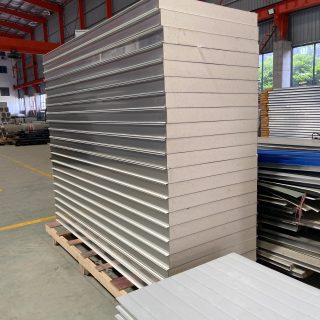
The polyurethane clean board is made of high-quality polyurethane core material and double-sided color steel compression, with a flat and smooth surface and strong sealing.
-
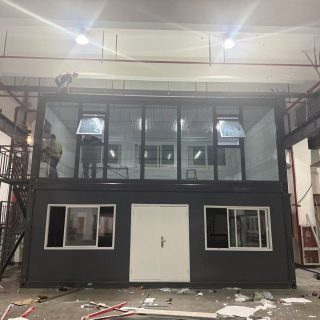
Double-layer fast-assembly container is modular prefab building featured with standard steel frame and insulated wall panels. Double-layer structure ensures quick installation,
-
Prefabricated in factories and quickly assembled on site, widely used in temporary construction sites, office accommodation, cultural tourism homestays, emergency resettlement and other scenarios.
-
The Ringlock ledgers are designed to be assembled in a modular manner using the rosette rings welded onto the vertical standards of the scaffolding.
-
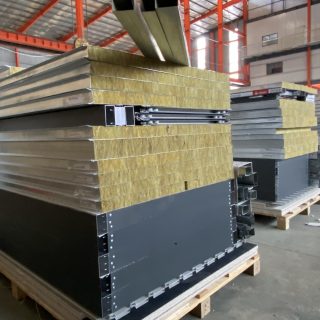
Customized fast assembling container houses are a new generation of standardized, modular, and customizable prefabricated buildings that eliminate the drawbacks of traditional houses such as cumbersom
Reviews
There are no reviews yet.