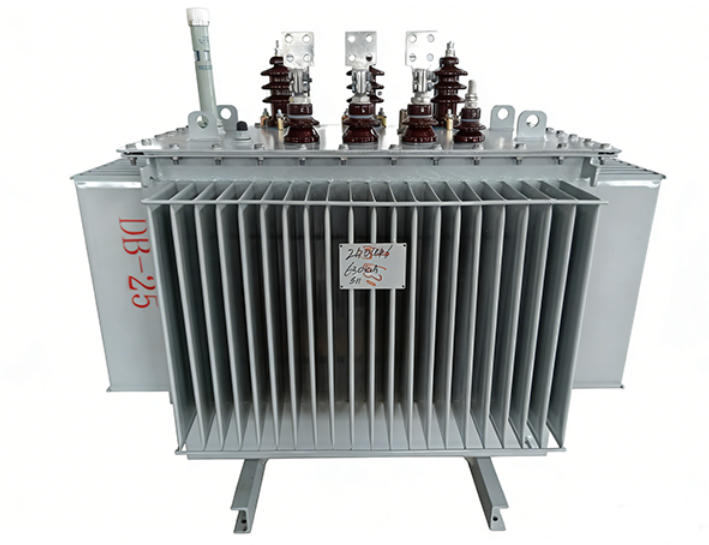
What Should Cold Storage Facilities Consider When Choosing a Power Transformer?
Cold storage facilities operate differently from most commercial buildings. Refrigeration compressors, evaporator fans, condenser systems, loading equipment and warehouse lighting all depend on elect
Cold storage facilities operate differently from most commercial buildings. Refrigeration compressors, evaporator fans, condenser systems, loading equipment and warehouse lighting all depend on electricity, but their operating patterns rarely remain constant throughout the day.
A distribution transformer serving a cold storage warehouse may experience relatively stable demand during some periods and significant changes when multiple compressors start, doors are opened frequently or incoming products require rapid cooling. Seasonal activity adds another layer of complexity, particularly in agricultural storage and food distribution operations.
For these facilities, electrical system planning is closely connected to operational reliability. A power interruption may affect refrigeration equipment, temperature monitoring, loading schedules and product handling. Depending on the duration and circumstances, it may also threaten temperature-sensitive inventory.
This makes transformer selection an important part of cold storage electrical infrastructure. The equipment must match the facility's electrical requirements while supporting the operating characteristics of refrigeration machinery and other connected loads.
In projects where the main transformer is installed outdoors or within a dedicated distribution area, a fully sealed oil immersed transformer may be considered as part of the power supply arrangement. Its suitability depends on the required capacity, voltage configuration, load profile and applicable installation requirements.
A reliable design begins by understanding the facility rather than selecting a transformer from a catalogue based on warehouse floor area.
Why Refrigeration Facilities Have Unusual Electrical Load Patterns
A cold storage warehouse may contain several refrigeration circuits serving different temperature zones. Some areas hold frozen products, while others maintain chilled storage conditions. Loading docks, preparation rooms and product receiving areas can have separate operating requirements.
Refrigeration compressors are usually among the most significant electrical loads. Their demand changes according to heat entering the storage space, the temperature of incoming products and the operating strategy of the refrigeration system.
During a quiet overnight period, the facility may need only enough refrigeration to maintain the required storage temperatures. When a large shipment of products arrives, cooling demand can increase as the system removes heat from newly loaded goods.
Door movements are another factor. Frequent opening of loading doors allows warmer air to enter refrigerated spaces, increasing the load on the cooling equipment. The effect depends on the temperature difference, door dimensions, operating procedures and available air-management measures.
Defrost cycles can also influence electrical demand. Depending on the refrigeration design, defrosting may involve electric heaters, hot gas or other arrangements. These systems have different electrical characteristics and operating schedules.
The transformer must supply the combined electrical demand while remaining within its intended operating limits.
For this reason, a cold storage load assessment should identify more than the total rated power of installed equipment. Engineers should examine which loads operate together, how compressor demand varies and what happens during the facility's busiest operating periods.
The starting characteristics of compressors and other motors are particularly relevant.
Some refrigeration systems use variable-speed drives or controlled starting arrangements, while others may use different motor control methods. These differences affect starting current and the temporary voltage changes experienced by the electrical system.
A transformer should therefore be selected using the expected operating characteristics of the actual refrigeration equipment.
The warehouse's total connected load is a useful reference, but it does not independently establish the required transformer rating.
How Compressor Starting Affects the Distribution System
Refrigeration compressors can place demanding conditions on an electrical supply, especially when large motors start or when several machines operate in coordinated sequences.
During motor startup, the current can be substantially higher than the normal operating current. The magnitude and duration depend on the motor, starting method, mechanical load and electrical system characteristics.
This temporary current demand produces voltage drops across the impedance of the transformer and connected distribution network.
If the voltage reduction is excessive, other electrical equipment may be affected. Control systems can behave unexpectedly, contactors may experience operating difficulties and sensitive equipment may require additional protection.
The issue is not necessarily solved by choosing the largest available transformer.
Engineers should first examine the electrical characteristics of the compressor motors and their starting arrangements. The transformer impedance, upstream supply conditions and downstream cable impedance all contribute to the resulting voltage behavior.
For facilities with multiple compressors, the control strategy also matters.
A refrigeration system that starts several large motors simultaneously may create a different electrical demand from one that uses sequenced starting.
The electrical designer should coordinate the starting requirements with the refrigeration system supplier rather than relying on assumptions about how the machines operate.
Variable-frequency drives can provide controlled motor operation, but they introduce other design considerations. Depending on their construction, drives may produce harmonic currents that need to be considered during electrical system evaluation.
Modern refrigeration facilities frequently combine compressors, pumps, fans, electronic controls and monitoring devices. Their interaction should be reflected in the load schedule.
The distribution transformer is only one part of this system. Switchgear, protective devices, cables and motor control equipment must be coordinated with the same electrical requirements.
A technically appropriate transformer supports the planned operating conditions without introducing unnecessary restrictions on the refrigeration system.
Power Reliability and the Risk of Interrupted Refrigeration
The consequences of a power interruption vary from one cold storage facility to another.
A warehouse holding packaged frozen goods may retain acceptable storage temperatures for a limited period after refrigeration equipment stops, depending on insulation, product thermal mass, external conditions and door activity.
A facility handling fresh produce, pharmaceuticals or other temperature-sensitive goods may operate under different constraints.
In every case, the response to a power interruption should be based on a documented assessment of the products stored and the facility's operating requirements.
The transformer contributes to power supply reliability, but it cannot guarantee continuous refrigeration by itself.
A complete reliability strategy may involve suitable electrical protection, backup generation, automatic transfer arrangements, alarm systems and operational procedures.
The exact measures depend on the consequences of interruption and the applicable project requirements.
For example, a large food distribution warehouse may use several refrigeration circuits. If all circuits depend on a single supply arrangement, an electrical fault affecting that supply may interrupt multiple storage areas.
A different distribution design may separate selected loads or provide an alternative supply path. Whether such arrangements are justified depends on the facility's reliability objectives and electrical design.
Transformer capacity also needs to be coordinated with emergency power arrangements.
If backup generation is intended to operate selected refrigeration loads, the design must account for starting requirements, load sequencing and the characteristics of the emergency power source.
A transformer should not be assumed to provide the same performance under every operating arrangement without engineering verification.
Protection coordination deserves particular attention as well.
Electrical faults should be cleared by appropriately selected protective devices, with the intended level of discrimination or selectivity established through system studies.
Poorly coordinated protection can cause a larger part of the facility to lose power than necessary.
For cold storage operators, the central concern is not simply whether the transformer is reliable. It is whether the electrical distribution system supports the facility's required operating continuity.
That distinction changes how the equipment should be specified and evaluated.
Where a Fully Sealed Oil Immersed Transformer Fits Into Cold Storage Infrastructure
Many cold storage projects separate their main power distribution equipment from refrigerated operating areas.
Transformers may be located outdoors, in dedicated utility areas or within suitable substation installations, depending on the electrical design and site layout.
The purpose is to establish an appropriate location for power distribution equipment while maintaining safe access for installation, operation and maintenance.
A fully sealed oil immersed transformer can be considered where its electrical ratings, construction and installation requirements match the project.
The sealed tank is designed to limit direct exchange between the internal insulating liquid and the surrounding atmosphere during normal service. This characteristic can be relevant for long-term distribution applications, although it does not eliminate inspection requirements or replace appropriate site protection.
For a cold storage facility, the more immediate selection questions concern electrical compatibility and operating duty.
The rated capacity must support the calculated demand. The primary and secondary voltage ratings must match the incoming supply and downstream distribution system. Frequency, winding connection and short-circuit impedance must also be appropriate.
If the project includes significant compressor starting loads, the transformer should be evaluated as part of the complete motor-starting analysis.
Losses are another consideration. The transformer may remain energized continuously even when refrigeration demand is relatively low. No-load energy consumption therefore remains relevant throughout the operating year.
Buyers should request the proposed transformer's technical data rather than relying on general descriptions such as energy-saving or heavy-duty.
Where the installation is outdoors, the site layout must also accommodate foundations, required clearances, access and applicable environmental protection measures.
The transformer should be positioned with consideration for cable routes and connections to the facility's distribution system.
A convenient location for delivery is not necessarily the most appropriate location for long-term operation.
The electrical designer should review the arrangement together with site constraints, maintenance access and safety requirements.
For a food processing plant operating several refrigerated production areas, the transformer may supply both refrigeration equipment and other process loads. These combined demands must be reflected in the final capacity assessment.
The goal is to select equipment based on how the complete facility uses power, not merely on the presence of refrigeration machinery.
What Changes When a Cold Storage Facility Expands?
Cold storage businesses frequently expand in stages.
A company may begin with a single refrigerated warehouse and later add frozen storage rooms, packaging facilities, loading bays or automated material-handling equipment.
The electrical system that supported the original facility may not have been designed for the expanded operation.
Additional refrigeration equipment can increase peak demand, but the effect depends on the equipment schedule and how the new storage areas operate alongside the existing ones.
A new freezer room, for example, may require substantial cooling during initial pull-down before reaching its normal operating temperature. This operating phase can differ from the load required simply to maintain the storage temperature.
Expansion planning should account for such conditions where they are relevant to the refrigeration system.
Engineers should also review whether new compressors will start at the same time as existing equipment.
An increase in connected load does not automatically mean the transformer must be replaced. The decision should be based on measured demand, projected operating conditions and the available electrical capacity.
If the original transformer has sufficient capacity and remains technically suitable, the project may require changes mainly to downstream distribution equipment.
If the expanded demand exceeds the intended system capability, a transformer upgrade may be necessary.
In either case, the associated switchgear, conductors, protective devices and connection arrangements must be assessed.
For facilities planning future development, electrical infrastructure should be reviewed before construction begins.
It is usually easier to address transformer access, cable routing and substation space during the design stage than after the warehouse is operating at full capacity.
A phased development plan can help determine whether additional electrical capacity should be installed immediately or provided through a later upgrade.
However, spare capacity should be based on credible expansion assumptions rather than an arbitrary allowance.
Energy performance should also be considered.
Refrigeration facilities may operate throughout the year, making transformer losses relevant to long-term energy consumption. The best technical comparison uses actual no-load and load-loss data with an operating profile that reflects the proposed facility.
Selecting a transformer involves balancing the electrical requirements of current operations with realistic future development.
Practical Electrical Planning for Food Processing and Cold Chain Projects
Cold storage infrastructure is often connected to a wider business operation.
A food processing facility may combine refrigerated raw material storage, production machinery, packaging lines and finished product warehouses. A distribution center may include conveyor systems, automated storage equipment, battery charging facilities and administrative offices.
These loads create a more complex electrical demand than refrigeration equipment alone.
Before selecting the main transformer, the project team should prepare a coordinated load schedule covering the complete facility.
The schedule should identify significant electrical equipment, anticipated simultaneous operation, motor starting requirements and any loads with unusual characteristics.
For an existing site, historical demand measurements can help validate the design assumptions.
The transformer specification should then establish the required electrical ratings and installation conditions.
Where equipment is purchased from an overseas manufacturer, clear technical documentation becomes particularly important.
The inquiry should identify rated capacity, voltage configuration, frequency, connection requirements, expected operating conditions and applicable standards.
If the installation requires specific terminal arrangements or dimensions, those details should be included in the technical review.
Buyers should also clarify the required inspection records and factory test documentation.
Transformer procurement is only one stage of the project. Delivery, installation, protection verification and commissioning must be coordinated with the refrigeration contractor and electrical installation team.
For a facility handling temperature-sensitive goods, commissioning schedules should account for the time required to test the electrical system and establish the intended refrigeration operating conditions before products are placed into storage.
It is unwise to assume that a newly energized transformer means the entire refrigeration facility is ready for commercial operation.
The downstream equipment, controls, alarms and operating procedures must also be verified.
A well-planned electrical system supports the refrigeration process without becoming an obstacle to daily operations.
For cold storage developers and industrial buyers, transformer selection is most effective when it begins with the actual refrigeration load, identifies the required level of operational reliability and considers how the facility may change over time.
A suitable fully sealed oil immersed transformer can form part of that infrastructure where its specifications meet the project's requirements, but dependable operation ultimately depends on the coordination of the entire electrical distribution system.
The most useful outcome is not simply a transformer with sufficient nameplate capacity. It is a power supply arrangement that supports refrigeration equipment, protects essential electrical functions and accommodates the practical demands of a working cold chain facility.
Related products
-
-
Ceramic Heating Pad Manufacturers for Industrial Applications | Flexible PWHT Ceramic Heater Pads for Pipeline Welding
-
High-quality ceramic heaters built for all industrial applications. High temperature resistance, flexible structure and even heating for pipeline welding preheating and professional PWHT treatment.
-
-
The DS864-8-7A/7C Electronic Lock is a durable and efficient locking solution designed for industrial cabinets and server enclosures.



Reviews
There are no reviews yet.